Broken Sky
Play Broken Sky
Broken Sky Screenshots
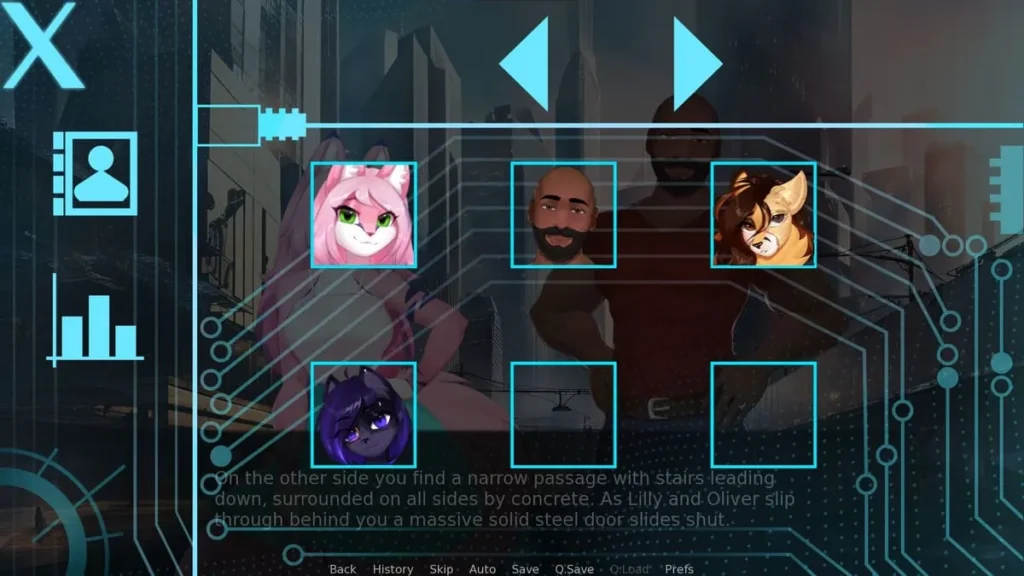
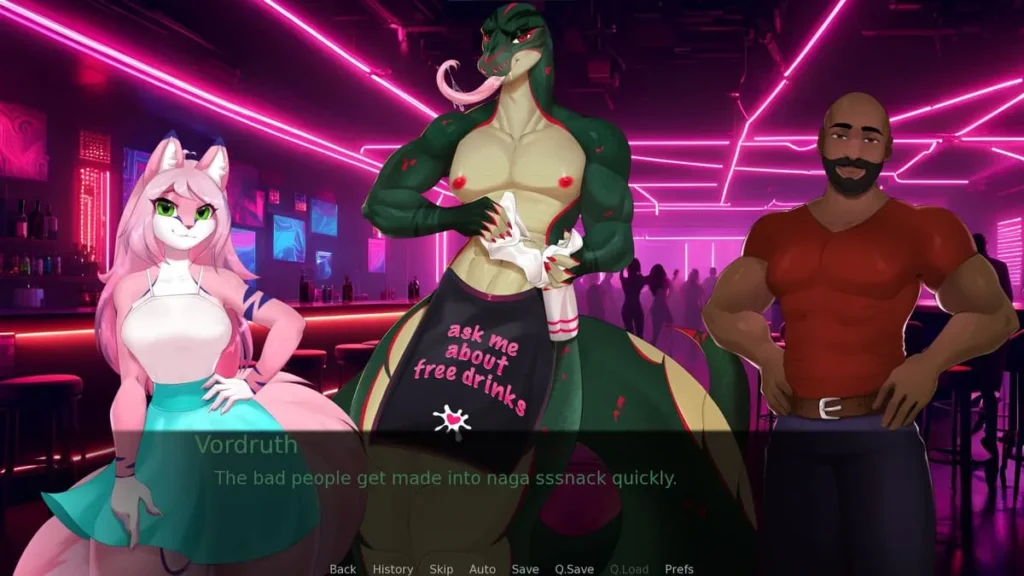
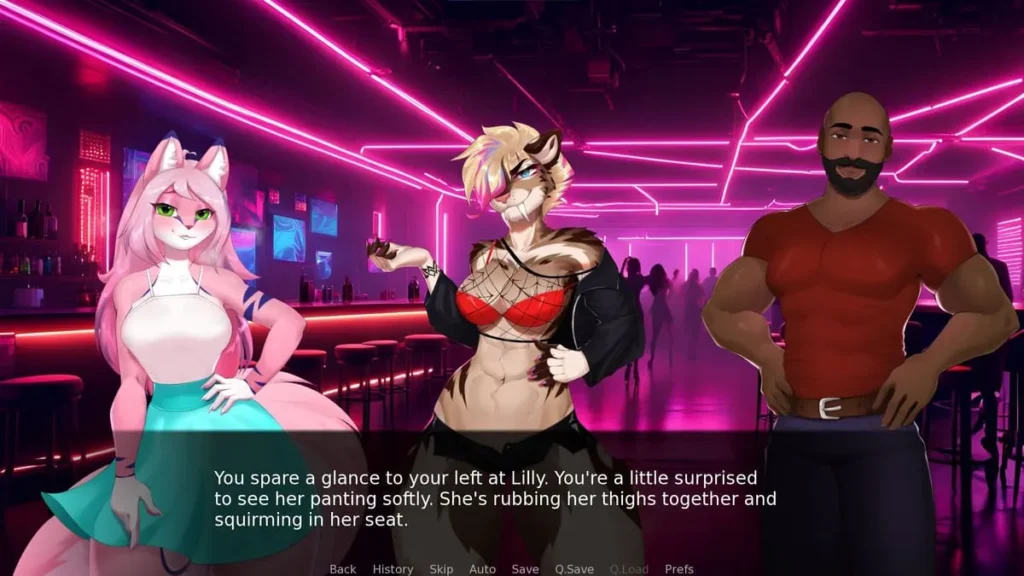
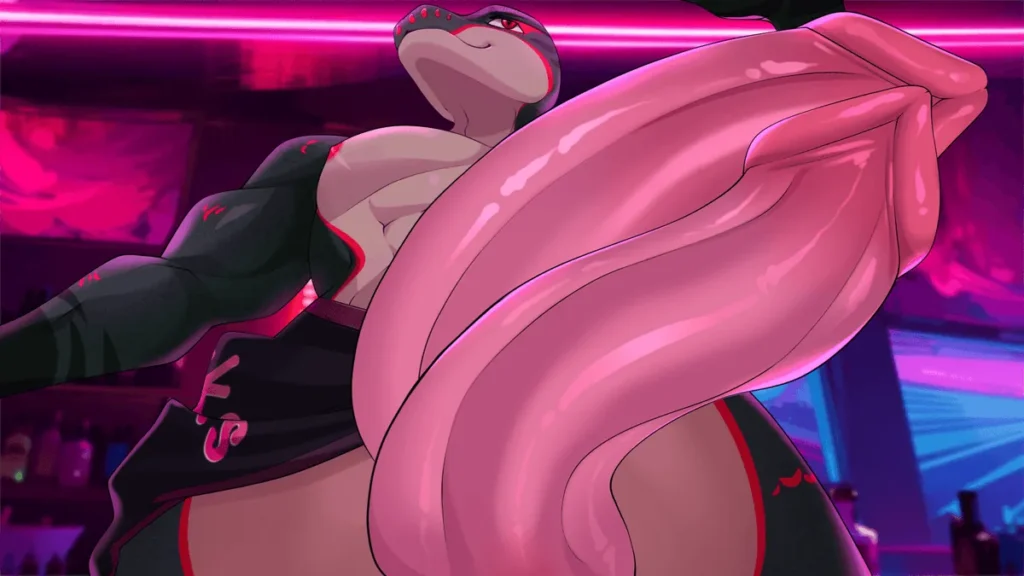
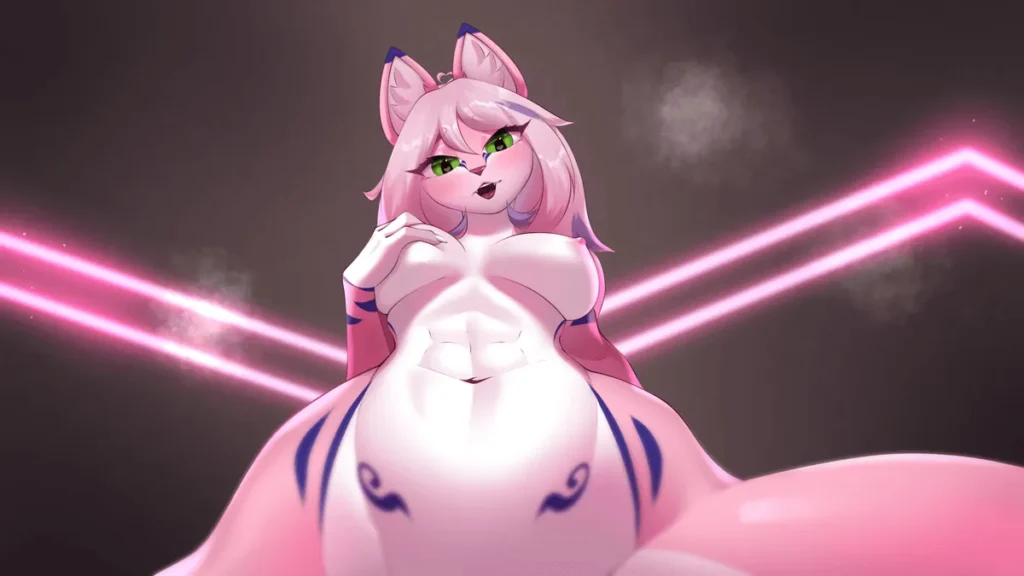
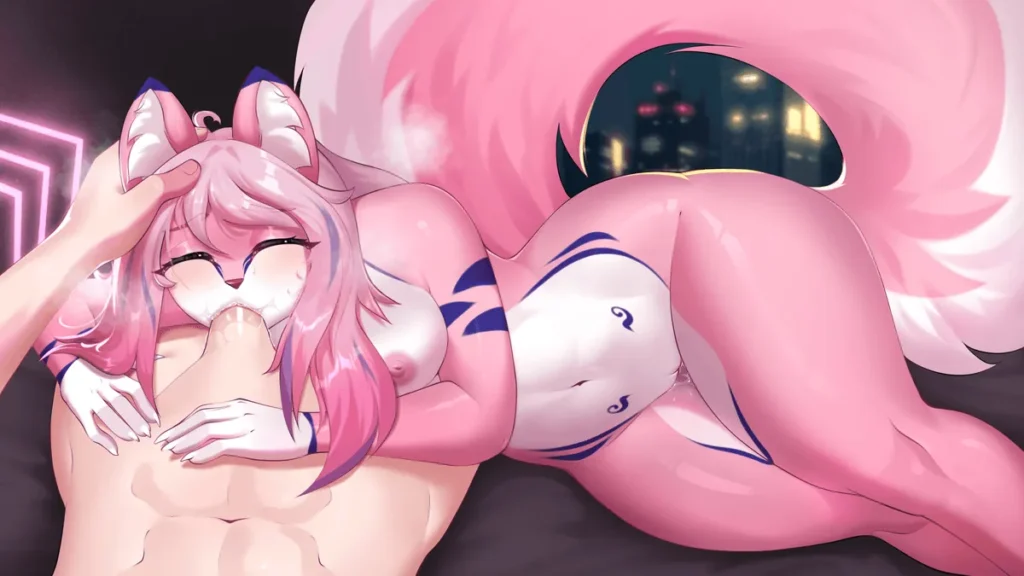
Broken Sky review
Everything you need to know about this mature visual novel experience
Broken Sky stands out as a mature-rated visual novel that combines engaging storytelling with interactive gameplay mechanics. This adult furry visual novel has garnered attention from players seeking well-crafted narratives and meaningful character development. Whether you’re a newcomer curious about the game’s premise or a returning player looking to deepen your experience, understanding what makes Broken Sky unique can enhance your gameplay journey. The title has developed a dedicated community that appreciates its narrative depth and creative design choices. This guide explores the core aspects of Broken Sky, helping you navigate its features and discover what players find most compelling about this interactive experience.
Understanding Broken Sky: Core Gameplay & Story Elements
Ever felt like you’ve seen it all in the world of story-driven games? 😴 You pick a path, get a slightly different line of dialogue, and end up at one of two endings that felt predetermined from the start. It can leave you wondering if your input even mattered. If that sounds familiar, then prepare to have your expectations completely rewritten. The Broken Sky visual novel isn’t just another title on the list; it’s a deep, character-rich journey that redefines what an interactive story can be, especially within its genre.
At its heart, Broken Sky is a masterclass in interactive storytelling mechanics. It takes the classic visual novel framework—reading narrative, seeing beautiful artwork, and making choices—and injects it with a level of narrative depth and mechanical creativity that is frankly, rare. This isn’t a passive experience where you just click through text. It’s an invitation to live within a complex world, shape intricate relationships, and witness the profound consequences of your decisions. Let’s peel back the layers and discover what truly makes this experience tick. ✨
What Makes Broken Sky a Unique Visual Novel Experience
So, what sets this apart from the crowd? It starts with a fearless commitment to its own identity. Broken Sky proudly exists at the intersection of a compelling visual novel gameplay features suite and the specific, character-driven world of anthropomorphic storytelling. This fusion creates a space where mature themes, personal growth, and fantasy elements coalesce into something genuinely unique.
Forget any preconceived notions. The adult furry game mechanics here aren’t just a superficial label; they are fundamentally integrated into the world-building and character interactions. The species, cultures, and physical traits of the characters are not just aesthetic choices—they inform their personalities, their conflicts, and their histories. This allows for a type of storytelling that feels organic and richly textured, exploring themes of identity, belonging, and societal pressure in ways that feel fresh and impactful.
But a unique setting is nothing without substance. Where Broken Sky truly soars is in its execution. The community consistently praises its “well-written story,” and for good reason. This praise refers to narrative cohesion, believable dialogue, character motivations that make sense, and a plot that balances personal drama with larger, engaging stakes. The prose is evocative, pulling you into the atmosphere of the world, from the tense political undercurrents to the quiet, intimate moments between characters.
Here are the key pillars that define this experience:
- A World That Breathes: The atmospheric design isn’t just background art. The world of Broken Sky feels lived-in, with its own history, tensions, and unspoken rules that you discover organically.
- Mechanical Harmony: The game introduces creative systems that go beyond simple dialogue trees, such as relationship meters that track hidden variables, skill checks based on your prior choices, and unlockable narrative paths that require specific combinations of actions and trust.
- Mature Themes, Handled with Care: The mature content is treated as a narrative component, not the sole focus. It arises from character development and relationship building, making those moments feel earned and significant to the overall character arcs.
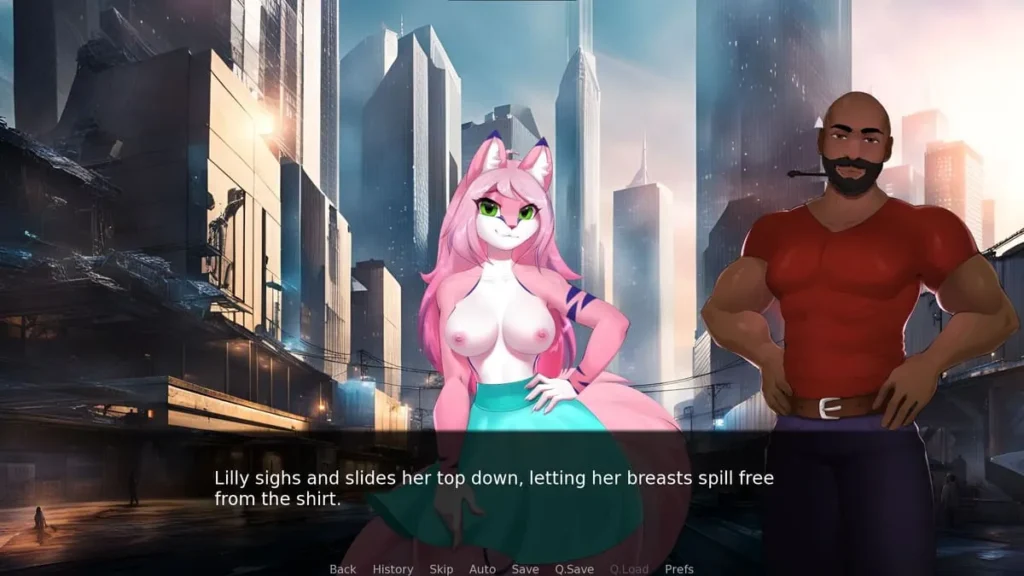
- Art as Narrative: The stunning visual artwork is a direct storytelling tool. Character expressions, cinematic CGs, and even the user interface elements work in concert to enhance the emotional weight of the story.
To quickly grasp the core framework of this visual novel gameplay features set, here’s a breakdown of its foundational elements:
| Core Element | Description | Impact on Experience |
|---|---|---|
| Narrative-Driven Engine | The story is the primary vehicle; all mechanics exist to serve and deepen the plot and character arcs. | Creates a cohesive, immersive experience where every game element feels meaningful. |
| Complex Relationship System | Uses hidden “affinity” scores and flags that track your interactions with every major character across multiple playthroughs. | Makes character friendships and romances feel dynamic, fragile, and incredibly rewarding to build. |
| Branching Plot with Memory | The game remembers small, seemingly insignificant choices and can reference them many hours later, affecting options. | Fosters a powerful sense that your personalized journey is being woven into the fabric of the tale. |
| Integrated Mature Content | Intimate scenes are treated as narrative climaxes to relationship paths, locked behind specific emotional and story milestones. | Ensures mature scenes contribute to character development and feel like a natural progression of the story. |
This thoughtful integration of theme, mechanics, and narrative ambition is what makes the Broken Sky visual novel a standout title. It respects your intelligence as a player and rewards your emotional investment at every turn.
Narrative Structure and Character Development
If the world is the stage, then the characters are the unforgettable performers who make you care. The Broken Sky story narrative is a brilliant example of character-driven writing. The plot doesn’t just happen to the characters; it is actively propelled by their desires, fears, flaws, and growth. You’re not following a generic hero on a quest—you’re navigating the intertwined lives of complex individuals, each with their own compelling arc.
This is where the game’s commitment to character development visual novel excellence shines. Take the protagonist, for instance. Rather than a blank slate, they come with a defined background, personal history, and emotional baggage that color every interaction. Your choices don’t define who they are at their core, but rather how they choose to grow and respond to the challenges before them. Are they guided by old wounds, or do they strive for forgiveness? Do they lead with cynicism or hope? This depth transforms your playthrough from a simple series of selections into a genuine journey of personal evolution.
The supporting cast is equally masterful. Every major character you encounter has a life that exists beyond their interactions with you. They have their own goals, secrets, and relationships with each other. I remember in one playthrough, I focused solely on bonding with one character, only to later discover that my neglect of another had allowed a personal crisis of theirs to spiral, permanently altering the group dynamic in a later chapter. It was a heartbreaking lesson that in Broken Sky, attention is a resource, and everyone’s story is moving forward with or without your direct input.
The narrative structure supports this beautifully. While following a central plot thread, the story expertly weaves in personal episodes, flashbacks, and private moments that peel back the layers of each character. You’ll learn why a character is so fiercely loyal, or what past humiliation makes them bristle at a certain type of comment. This structure ensures that key plot twists resonate on both a macro and micro level—they change the fate of the world, and they also devastate or uplift the characters you’ve grown to love.
Pro Tip: Don’t rush through dialogue. The most revealing character insights often come from optional, easily missed conversations or observing how characters interact with each other when you’re not the direct focus. The writing is dense with subtle cues. 👁️
This meticulous approach to character development visual novel techniques means that relationships feel authentic. Romances don’t simply trigger because you picked all the “nice” options; they blossom from shared vulnerability, mutual respect, and sometimes, from navigating conflict and disagreement. It’s this realistic, often messy, portrayal of connection that forms the true emotional backbone of the Broken Sky story narrative.
Interactive Mechanics and Player Choice Systems
This is where the magic of Broken Sky transitions from a great story you read to a profound story you live. The interactive storytelling mechanics are the engine that transforms narrative potential into personal experience. At its core, the system understands that meaningful choice is about more than just picking A or B; it’s about cultivating a unique narrative identity through dozens of small, cumulative decisions.
The Broken Sky player choices system is famously intricate. It operates on multiple layers:
1. Obvious Major Decisions: The big, dramatic forks in the road that clearly branch the story.
2. Subtle Dialogue & Action Choices: These seem minor—offering comfort, making a joke, choosing to be pragmatic or idealistic. These build your character’s personality and influence how others perceive and trust you.
3. Resource & Attention Allocation: Deciding who to spend time with, what skills to practice, or which leads to pursue. These choices quietly open or close entire subplots.
The genius lies in how these layers interact. A major story decision might only be available if you made specific subtle choices hours earlier, building a required level of trust or uncovering crucial knowledge. It makes every playthrough feel distinct and validates the idea that your unique path is legitimate.
Example of how player choices influence story outcomes and character relationships:
Imagine a scenario where a character, let’s call him Kael, is accused of a theft. Earlier in the game, you had several interactions:
* Choice 1 (Subtle): You overheard Kael arguing about a debt. You could either intervene or walk away.
* Choice 2 (Action): Later, you had a spare moment. You could train your combat skills, research in the library, or check in on Kael.
* Choice 3 (Major): Now, at the accusation, you must decide: defend Kael publicly, remain neutral, or side with the accusers.
If you walked away earlier and didn’t check on Kael, you’ll have no context for his debt. Defending him now will be based on blind faith, and other characters may question your judgment. If you intervened and learned about the debt, you can use that information to ask more pointed questions, potentially uncovering the real thief. If you researched in the library instead, you might have found a historical precedent or a legal loophole to help his case.
A single outcome—whether Kael is exonerated, punished, or exiled—can be reached through multiple, nuanced paths, each leaving your relationships with Kael and the other characters in a completely different state. One path might earn you Kael’s undying loyalty but sow distrust among others. Another might paint you as a shrewd investigator. This is the Broken Sky player choices system in action: complex, consequential, and deeply rewarding to navigate. 🧩
The game also employs clever meta-mechanics like “Relationship Flags” and “Story State” variables that are permanently recorded. This means a second playthrough isn’t just about making different choices at the same branches; the game’s awareness of your previous journey can unlock entirely new dialogue options, characters referencing your “past life” actions in cryptic ways, or even allowing you to bypass conflicts because you already possess knowledge or trust. It’s a system that rewards dedication and curiosity, making subsequent playthroughs essential to fully appreciating the narrative’s scope.
In the end, Broken Sky understands that the most powerful interactive storytelling mechanics are those that make you feel responsible for the emotional landscape of the story. The anxiety before a big choice, the regret after a misstep, the joy when a hard-earned bond pays off—these aren’t just reactions to a story; they are proof that you are truly inside it, shaping its heart and soul with every decision you make.
Broken Sky represents a thoughtful entry in the adult visual novel genre, combining well-crafted storytelling with engaging interactive mechanics. The game’s appeal lies in its commitment to narrative depth and character development, qualities that resonate strongly with its community. Whether you’re drawn to the mature themes, the creative gameplay elements, or the character-driven storytelling, Broken Sky offers a distinctive experience that respects player agency and narrative complexity. For those considering diving into this title, understanding its core features and community reception provides valuable context for what to expect. The game continues to demonstrate that adult-oriented interactive fiction can achieve meaningful artistic expression while delivering entertainment value. If you’re interested in visual novels that prioritize story and character alongside mature content, Broken Sky deserves consideration as part of your gaming library.