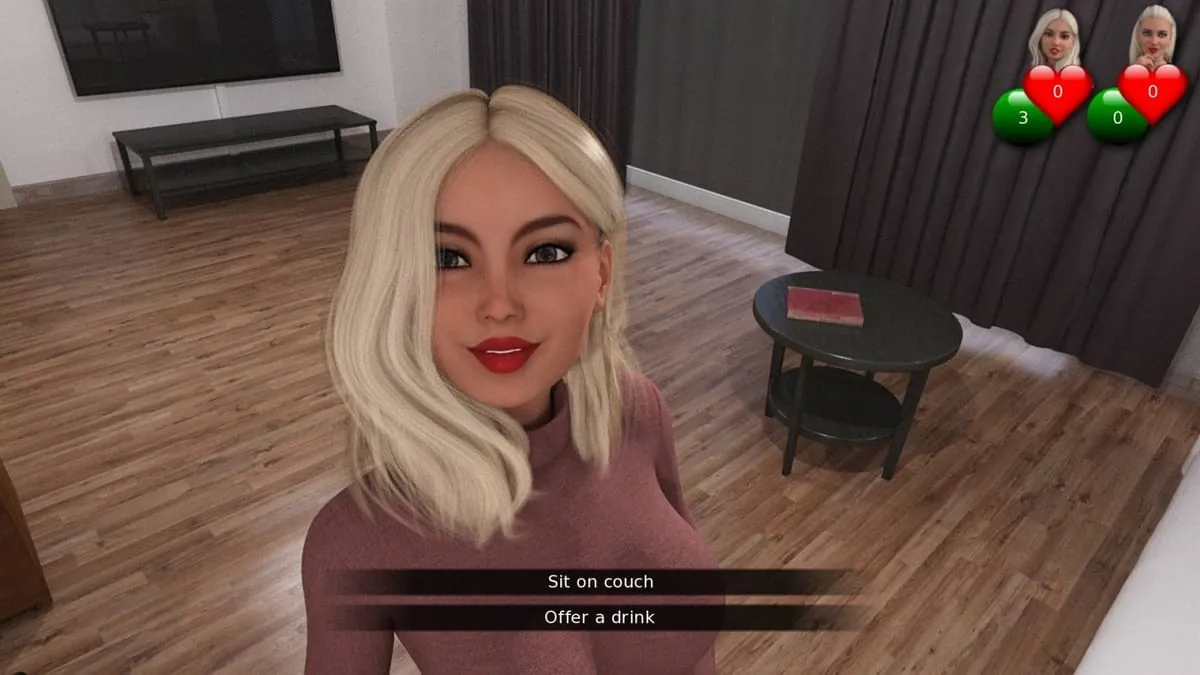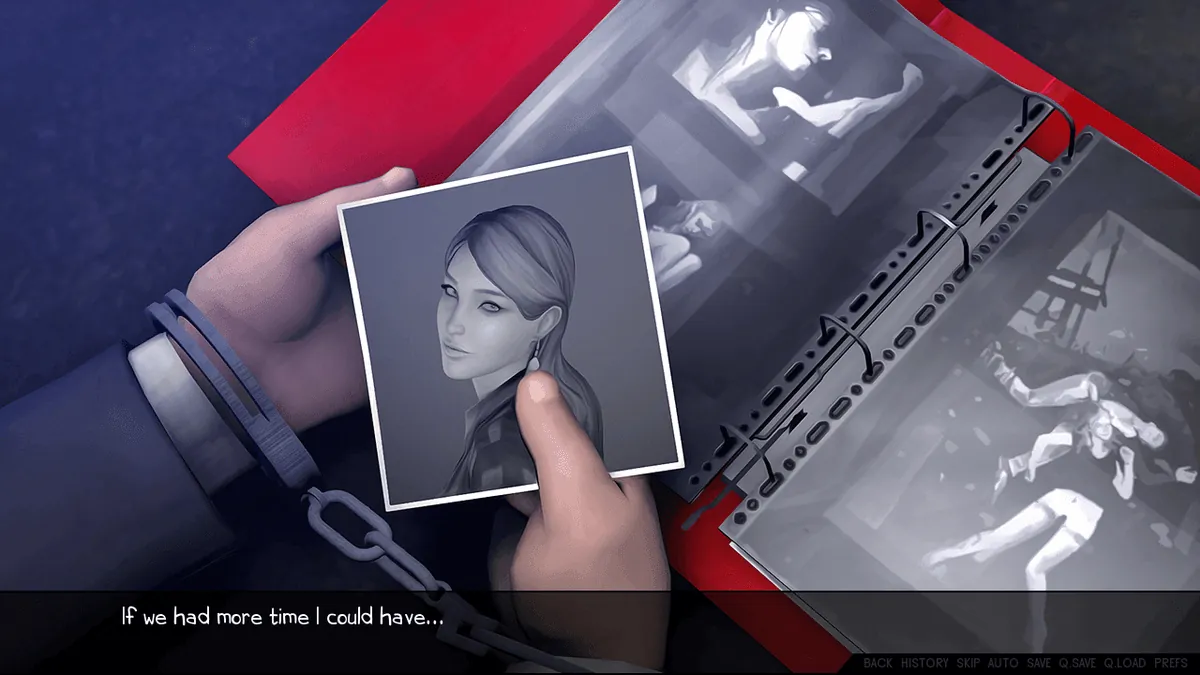
Play Come Home
Come Home Screenshots




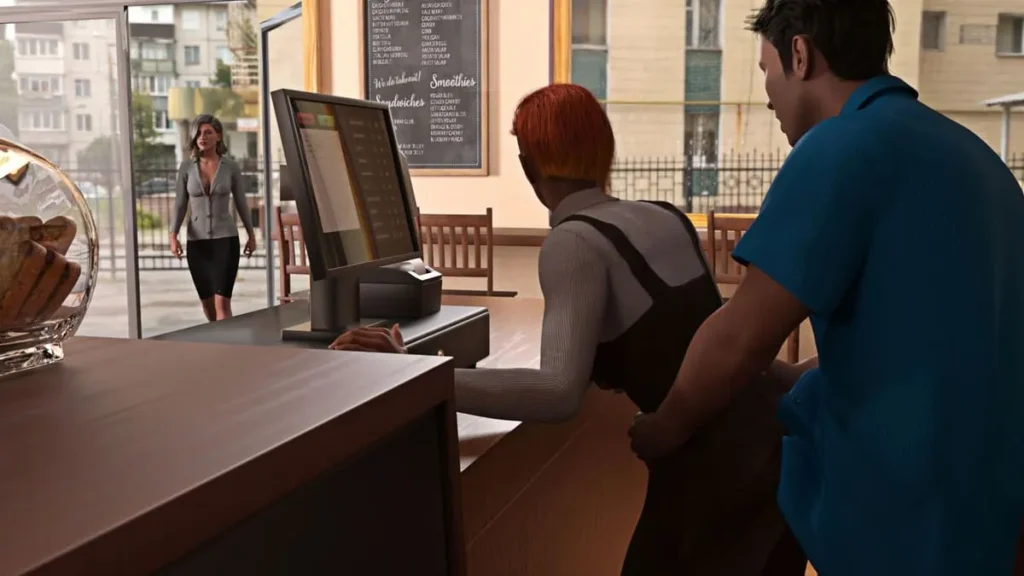


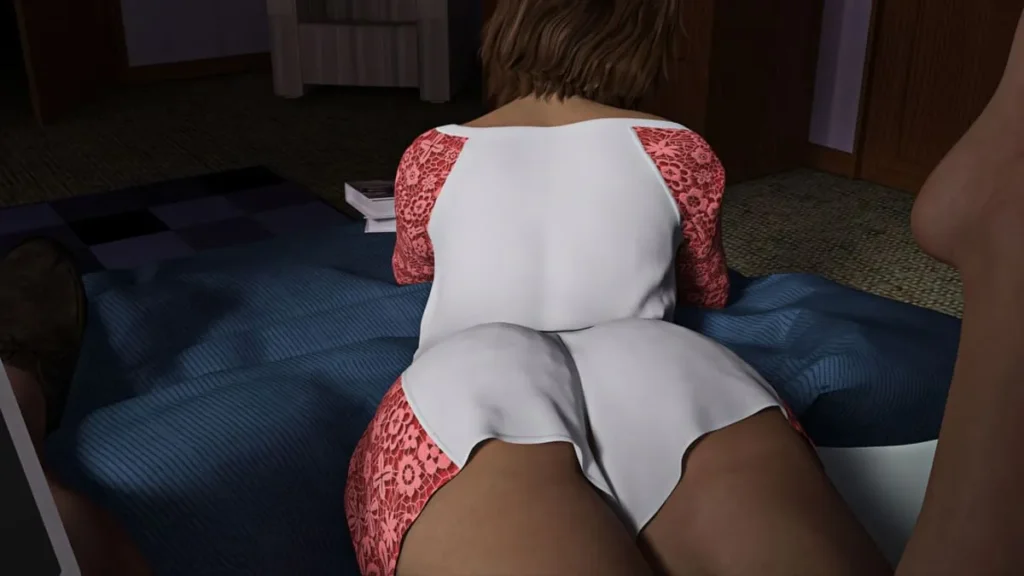



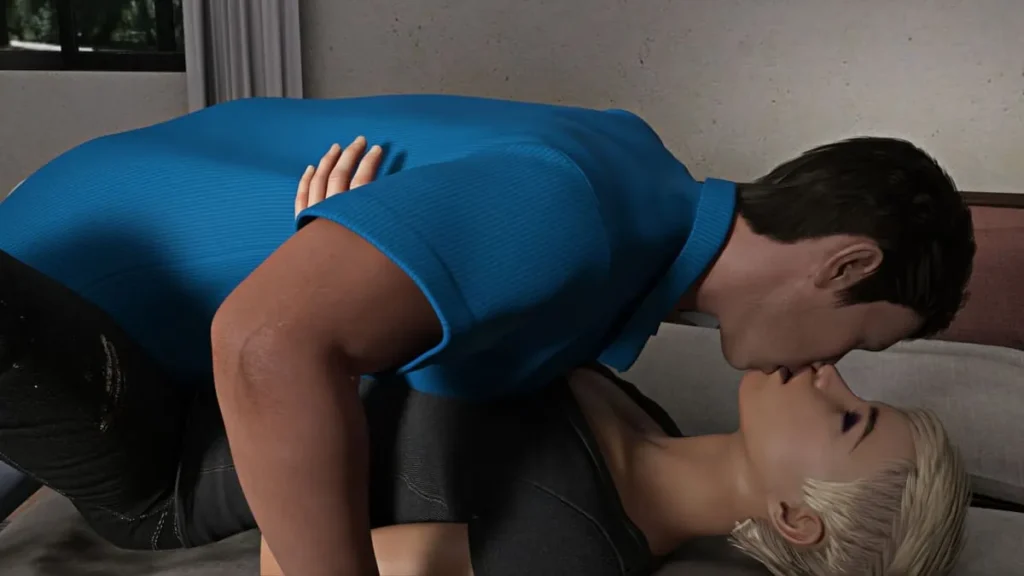















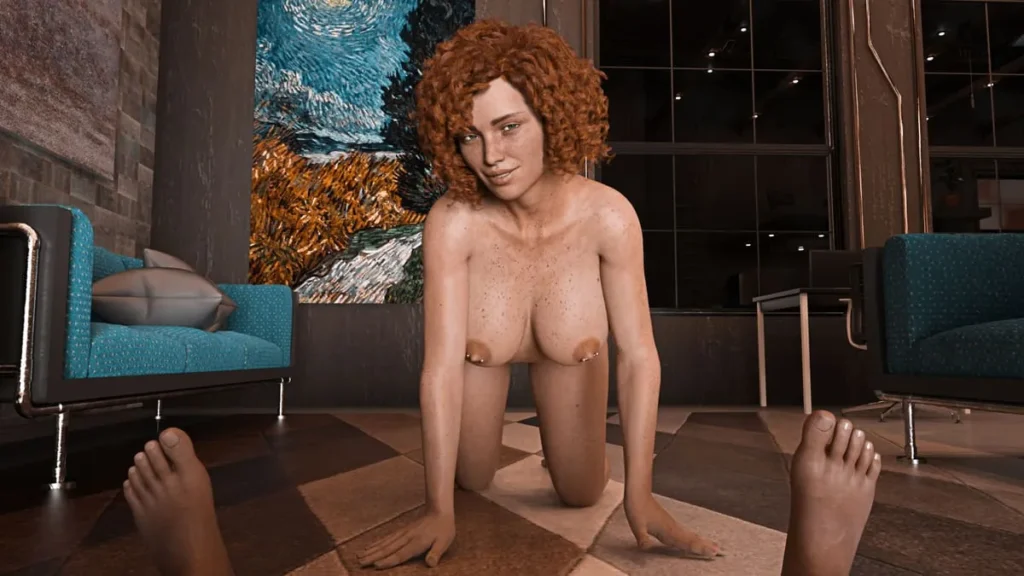

Come Home review
A practical, user-focused walkthrough and player guide to Come Home
Come Home is an adult visual novel that blends relationship-building mechanics with branching storylines and multiple romanceable characters; this guide will help you navigate the game’s options, optimize routes, and make satisfying choices from early scenes to endings. I first played Come Home during a long weekend and quickly realized that small early choices shape later scenes dramatically, so this article focuses on practical, actionable strategies, personal insights, and concrete walkthrough tips to get the most out of your playthrough.
Getting Started: Installation, Settings, and First Impressions
So, you’ve decided to Come Home! 🏡 Welcome. Whether you’re here for the heartfelt story, the complex characters, or the promise of a perfect virtual romance, you’re in for a memorable experience. But before you dive into the emotional whirlwind, let’s get you set up properly. There’s nothing worse than technical hiccups or confusing menus pulling you out of a beautiful narrative. This guide will walk you through everything from downloading the game to making those crucial first choices, ensuring your Come Home installation is smooth and your first hour is perfectly poised for the story you want to tell.
System Requirements and Installation Tips
First things first: let’s make sure your PC can handle the journey. Come Home is a visual novel, which means it’s not demanding the same resources as a high-end action game, but you still need to meet a basic threshold for a stutter-free experience filled with gorgeous artwork.
Here’s a breakdown of the official Come Home system requirements:
| Component | Minimum | Recommended |
|---|---|---|
| OS | Windows 7+ | Windows 10 |
| Processor | 1.8 GHz Pentium 4 or equivalent | 2.0 GHz Dual Core or better |
| Memory | 2 GB RAM | 4 GB RAM |
| Graphics | Integrated graphics (OpenGL 2.1 support) | Discrete GPU with OpenGL 3.0+ |
| Storage | 2 GB available space | 4 GB available space (for saves & extras) |
💡 Personal Tip: I always recommend aiming for the “Recommended” specs if you can. While the game will run on minimums, a smoother frame rate during scene transitions and quicker load times just make the narrative flow better. It’s the difference between reading a book in a cozy chair versus on a bumpy bus ride!
Now, for the actual Come Home installation. The process is typically straightforward, but a few pointers can save you headaches.
- Purchase & Download: You’ll likely get Come Home from a platform like Steam, itch.io, or the developer’s official site. Wherever you buy it, always download the installer from the official source or your legitimate library. 🛒
- Run the Installer: Locate the downloaded
.exefile. Right-click and select “Run as administrator.” This simple step prevents many permission errors during the Come Home installation process. - Choose Your Install Location: Here’s a pro tip! 🎯 Avoid installing in the default
Program FilesorProgram Files (x86)folders on Windows. These folders have stricter permissions. Instead, create a simple folder likeC:\Games\and install there. It makes file management and potential modding (if you explore that later) much easier. - Wait for Completion: Let the installer run. It shouldn’t take long given the game’s size.
- Create a Shortcut: Once done, make sure a desktop shortcut is created. This is your new portal home.
A common pitfall? Antivirus software sometimes quarantines game files, mistaking them for suspicious. If the game fails to launch after installation, check your antivirus quarantine list and make an exception for the game’s folder.
Important Settings to Configure Before Your First Run
Before you click “New Game,” let’s tour the settings menu. Tweaking your Come Home settings upfront is a game-changer for immersion. Trust me, I learned this the hard way after squinting at tiny text for an hour!
- Text Speed & Auto-Advance: 🐢➡️🐇 This is the heart of your reading comfort. I prefer setting Text Speed to instant (so I control the pace by clicking) and then using Auto-Advance after a comfortable 3-4 second delay for long dialogue passages. This combination gives you control during emotional moments but lets you relax during descriptive scenes. Play with these sliders first!
- Language & Subtitles: The game may offer language options. Ensure your preferred language is selected for both text and audio (if voiced). Double-check subtitles are on if there’s any voice acting you don’t want to miss.
- Content Toggles: Some visual novels, including Come Home, may include mature scenes. The settings menu often has clear toggles for NSFW (Not Safe For Work) content. You can usually enable or disable this, or sometimes choose a “fade to black” option. Set this to your comfort level before starting.
- Accessibility Options: 👁️ Look for options like Text Size or a High Contrast Mode. If you find the default font straining, increase the size here. Some games also offer a custom cursor or screen shake toggles—adjust these to prevent discomfort.
- Understanding the Come Home Save System: This is critical! The game uses a hybrid save system. There’s auto-saving at key points (usually at the start of a new day or after major events), and manual save slots (you get plenty!). My strongest advice? Use them liberally. Before any choice that feels significant, hit
Saveand create a new slot. The Come Home save system is your best friend for exploring different story branches without replaying everything from the start. I’ll share a story about why this matters so much in the next section.
Configure these Come Home settings, and you’re not just starting the game—you’re crafting your ideal storytelling device.
First-Hour Play Tips and What to Prioritize
Alright, the moment is here. You’ve installed, configured, and you’re ready to learn how to start Come Home with confidence. The first hour sets the tone, introduces the cast, and lays the groundwork for every relationship. Here’s what to focus on.
The Initial Setup & Early Interactions:
The game will introduce you to the protagonist and the premise of returning to your hometown. Pay close attention to the first dialogues with the core characters you meet—often family members or old friends. These aren’t just flavor text; they often establish baseline affection points or unlock initial character scenes. Show genuine interest in their lives. Ask follow-up questions when prompted. The game is subtly teaching you its interaction language.
Understanding Relationship Mechanics:
While not always a visible number, Come Home tracks your relationships. Think of it as an invisible meter that fills with every kind dialogue choice, thoughtful gift, or shared moment. Early on, prioritize being observant. Listen to what each character mentions they like, dislike, or are worried about. Jotting down a real-world note can help! This info is gold for later choices.
Time Management is Key:
The game likely operates on a day/week system. Your first few in-game days are a tutorial for this. You’ll have a limited number of “action points” per day—choices like Go to the Park, Visit the Library, or Talk to [Character]. Don’t try to do everything at once. Focus on one or two characters initially to build a solid connection. Missing a daily interaction isn’t a disaster, but consistency pays off.
The Lock & Key of Romance Routes:
Early decisions can lock or unlock potential romance paths. It’s rarely a single “yes/no” choice. Instead, it’s a pattern. If you want to pursue a specific character, use your early action points to seek them out and choose responses that align with their personality (e.g., supportive for the anxious character, adventurous for the restless one). A personal anecdote: In my first playthrough, I completely missed an early scene with a character because I didn’t visit the town square on a specific day. Later, when I tried to pursue their route, I hit an invisible wall. Reloading an old manual save from that first week and making the different choice opened up a beautiful storyline I would have otherwise missed. This is why that Come Home save system is your superpower! 💪
Your First-Hour Mission:
1. Meet Everyone: Get introduced to the main cast.
2. Learn the UI: Understand how to check your phone/menu, save, and access the backlog.
3. Identify Your Interest: By the end of the first hour, you should feel a natural pull toward one or two characters. Lean into that.
4. Save Strategically: Have a save at the start of Day 1, and another before any major decision like “How to spend your first afternoon.”
These Come Home first hour tips are about laying a foundation, not min-maxing. Be present in the story, and let your curiosity guide you—just with the safety net of multiple save files!
Your Quick-Start Checklist for Come Home ✅
Follow this list for a flawless start to your journey:
- [ ] Verify System Specs: Check your PC against the recommended Come Home system requirements.
- [ ] Install Smartly: Run the installer as admin and choose a simple folder path (like
C:\Games\) for your Come Home installation. - [ ] Configure First: Before playing, open the Come Home settings menu and adjust text speed, auto-advance, and content toggles.
- [ ] Master the Saves: Understand the Come Home save system. Create your first manual save immediately after the prologue.
- [ ] Listen & Observe: In the first hour, prioritize learning character names, personalities, and hinted-at likes/dislikes.
- [ ] Save Before Choices: Make a new manual save before any story branch that feels significant.
- [ ] Don’t Rush: Use your first few in-game days to learn the rhythm of time management. Focus on quality, not quantity, of interactions.
With this guide, you’re not just starting a game; you’re opening the door to a story waiting to be shaped. Your choices matter, and now you’re equipped to make them count. Enjoy finding your way back.
Come Home offers a branching, character-driven experience that rewards careful choices, deliberate save management, and curiosity about multiple routes; by adjusting settings up front, understanding affection systems, and using targeted walkthrough tips you can unlock meaningful scenes and endings while avoiding common pitfalls. Try one focused route first to learn mechanics, then use saved checkpoints to explore alternate choices; if you run into technical or content issues, follow the troubleshooting steps and lean on community resources. If you found this guide helpful, save it for reference during playthroughs and share your favorite route in community discussions.