
Dating My Daughter
Play Dating My Daughter
Dating My Daughter Screenshots

























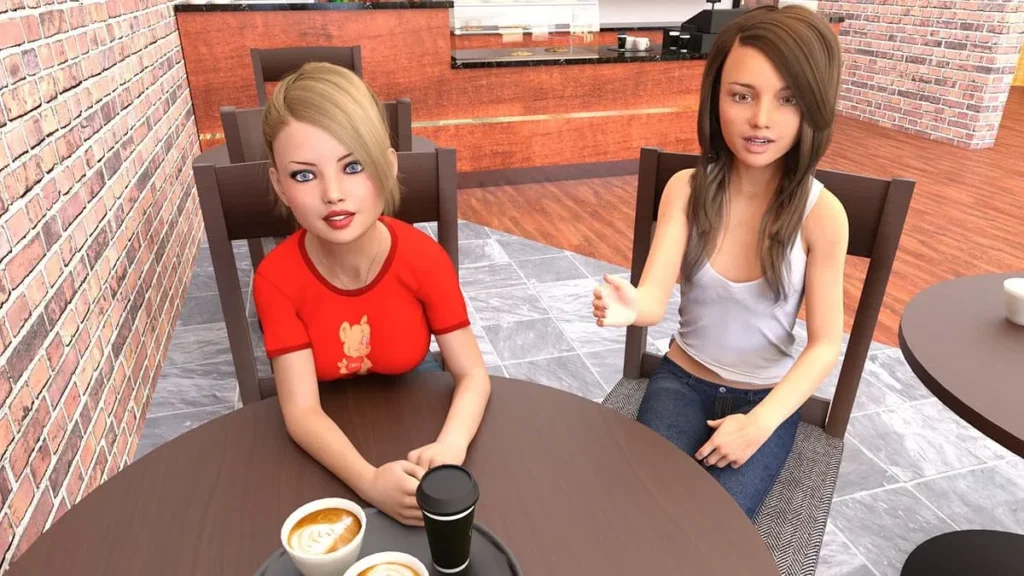
Dating My Daughter review
An in-depth look at mechanics, story routes, and player strategies for Dating My Daughter
Dating My Daughter is a controversial adult visual novel that uses choice-driven mechanics to navigate relationships, routes, and multiple endings. This article focuses exclusively on the game Dating My Daughter, providing clear descriptions of its story structure, mechanics, decision points, and practical tips for getting desired routes and endings. I’ll share personal impressions from playing the game, specific strategy advice, and examples of how choice and stat systems influence outcomes to help you navigate the experience responsibly.
Game Overview and Story Paths
So, you’ve heard the buzz, maybe seen some screenshots, and you’re curious about what this game is all about. Let’s pull back the curtain. Dating My Daughter is, at its heart, an adult-themed visual novel and interactive story. It’s built on the classic Ren’Py engine, which means you’ll spend your time reading narrative, making dialogue choices, and enjoying high-quality renders and animations that bring the story to life. It’s a story-driven experience where your decisions don’t just change a line of text—they completely reroute the plot, characters’ personalities, and the ultimate fate of everyone involved. 😮
Developed by MrDots Games, it’s primarily available for PC, though you might find ways to play it on other devices. The game has followed a very common model for ambitious adult visual novels: it’s released episodically over time. The developer provides regular updates, often tied to a Patreon subscription, which add new chapters, scenes, and Dating My Daughter content packs that expand the story and character interactions. This means the “complete” game is often a moving target, with new endings and paths being written based on player feedback and support. If you’re diving in, you’re not just playing a static product; you’re jumping into an evolving story.
Now, let’s talk about the elephant in the room—the premise. You play as a father who re-enters the life of his teenage daughter after a long separation. The core tension and drama come from navigating this fragile, rekindled relationship while other characters—like the daughter’s friends and other love interests—complicate your world. It’s a story about family, connection, and the consequences of desire, packaged in a choose-your-own-adventure format with mature themes. It’s crucial to note that this game contains explicit adult content. Always ensure you’re downloading it from legitimate sources to follow platform rules and avoid security risks. 🔒
What is Dating My Daughter?
To truly understand the Dating My Daughter game overview, we need to look past the provocative title and see the mechanics at work. This isn’t a simple click-through story. It’s a complex simulation of relationships powered by hidden numbers. Think of it like a sophisticated narrative spreadsheet dressed up with beautiful art! 😄
The game tracks your progress through several key metrics, often hidden from direct view but felt in every conversation:
- Affection Points: This is the bread and butter of most visual novel branching routes. Each major character has an affection score. Choosing supportive, kind, or flirtatious dialogue (depending on the character) will raise this score. Neglect them, insult them, or choose poorly, and the score drops. High affection unlocks special scenes, private moments, and is the primary key to pursuing that character’s specific “route.”
- Corruption/Innocence Metrics: This is where the game adds a moral or psychological layer. Certain choices can influence characters, particularly the main love interests, toward a more “corrupt” or worldly mindset, or help maintain their “innocence.” This isn’t just a good/bad slider. It fundamentally changes the tone of their relationship with the protagonist and can lead to wildly different story branches and endings.
- Plot Flags: Beyond simple points, the game remembers major decisions. Did you stand someone up? Promise to keep a secret? Agree to a risky plan? These choices set invisible flags that the game checks later, opening or closing entire story chapters.
My first hour with the game was a masterclass in humility. I thought I was being a charming, perfect dad. I was generous, I listened, I said all the “right” things. Then, suddenly, my daughter was cold and distant, and a potential romantic subplot with another character vanished before it began. I reloaded and realized one single, seemingly innocuous choice—offering advice that was too pushy instead of supportive—had subtly lowered a key affection score just enough to lock me out of an entire evening scene. It was a brilliant (and frustrating!) lesson: in Dating My Daughter, there are no small choices. 🎯
Main narrative arcs and character routes
The heart of the Dating My Daughter story routes system is its focus on pursuing specific relationships. You can’t romance everyone in a single playthrough (at least, not easily). You must focus your attention and choices to guide the story down a primary path.
The main narrative arcs typically branch based on which character you consistently build a relationship with. The central route is, of course, focused on rebuilding a relationship with your daughter, which can develop in different directions based on the corruption metrics mentioned earlier. But she’s not the only option. Other characters, like her best friend or other adults in the story, have their own fully-fledged paths with unique story beats, conflicts, and endings.
Trying to juggle multiple romances often leads to disaster—jealousy, broken trust, and getting locked out of the best content for all routes. The game forces you to commit. This is where the community Dating My Daughter walkthrough documents become priceless. They map out the precise sequence of choices needed to stay on a specific path.
Here’s a compact breakdown of the common route archetypes you’ll encounter:
| Primary Route Focus | Key Conditions & Stats | Ending Spectrum |
|---|---|---|
| The Daughter Route | Very high Affection. Critical choices influence “Corruption” vs. “Innocence” meter. | Can range from sweet/reunited family to more intense, possessive, or secretive romantic conclusions. |
| Best Friend Route | High Affection with the friend. Often requires managing the daughter’s Affection carefully (not too high, not too low). | Focuses on secrecy, daring, and navigating the complexity of the friendship triangle. |
| Other Character Routes | Maximized Affection for a specific side character. May require ignoring prompts for main routes early on. | These are often shorter, more focused arcs with endings specific to that character’s personal story. |
| The “Failure” or Lonely Path | Low affection across the board, consistently making alienating or negative choices. | Endings involving isolation, regret, or the complete breakdown of the reunited family. |
Tip: Don’t be afraid to use multiple save files! Save at the start of each chapter or after a major decision. This saves you hours of replaying if you want to explore how a single change alters the Dating My Daughter story routes.
How choices shape the story
This is where the magic happens. Understanding Dating My Daughter choices and endings is the difference between feeling like a passive reader and becoming the story’s architect. Every dialogue box is a crossroads.
Let’s break down a typical scenario: You’re asked to spend the weekend. You could:
1. Promise to spend it with your daughter (Raises her Affection, sets a plot flag for a “family weekend” event).
2. Suggest including her friend (Raises friend’s Affection slightly, may lower daughter’s if she wanted alone time).
3. Make a vague excuse (Lowers affection with both, may open a path to meet a different character entirely).
Choice #1 seems obvious for her route, right? But what if you’re secretly pursuing the friend? Maybe choice #2 is the only way to get a crucial alone moment with her later. Or, choice #3 might lead to a chance encounter that starts a whole new subplot. The game is a web of these moments.
The endings aren’t just “Good” or “Bad.” They are narrative culminations of every stat and flag. A “good” ending on the daughter’s route with high “innocence” will look profoundly different from a “good” ending on the same route with high “corruption.” You might have 8-10 significantly different major endings, with dozens of minor variations based on side character resolution. Unlocking them all is a massive undertaking of replay and strategy.
This brings us to community resources. I learned the hard way that playing completely blind is fun for one organic run, but to truly master the Dating My Daughter game overview of possibilities, you’ll want guides. The community creates incredibly detailed Dating My Daughter walkthrough threads and charts that show the exact impact of each choice. They are essential for targeting a specific ending or seeing content you missed.
Finally, a word on Dating My Daughter content packs. As an episodically updated game, new story chapters often function as massive content packs, adding new routes or extending existing ones. Sometimes, the developer releases special “extra” packs between major updates—these might contain bonus scenes, alternative renders, or short side stories that flesh out the world. They reward dedicated fans and patrons. If you find yourself loving the base game, supporting the developer often grants access to these incremental expansions, making the story even richer.
Your journey through this game will be uniquely yours. One choice can indeed change everything, leading to laughter, tension, or surprising heartbreak. So save often, choose bravely, and don’t be afraid to explore every path. The depth of the Dating My Daughter choices and endings is what makes it a fascinating, if complex, staple in the world of adult visual novels. Happy playing! ✨
Dating My Daughter is a choice-driven adult visual novel with branching routes, stat systems, and optional content packs that significantly affect outcomes. By understanding the core mechanics, using disciplined save strategies, and following the route-specific tips above, players can reliably explore the game’s major endings and hidden scenes. Engage with the community to learn about patches and safe download practices, and approach extra content with caution. If you’d like, I can expand any chapter into a full draft or provide a step-by-step walkthrough for a specific route.