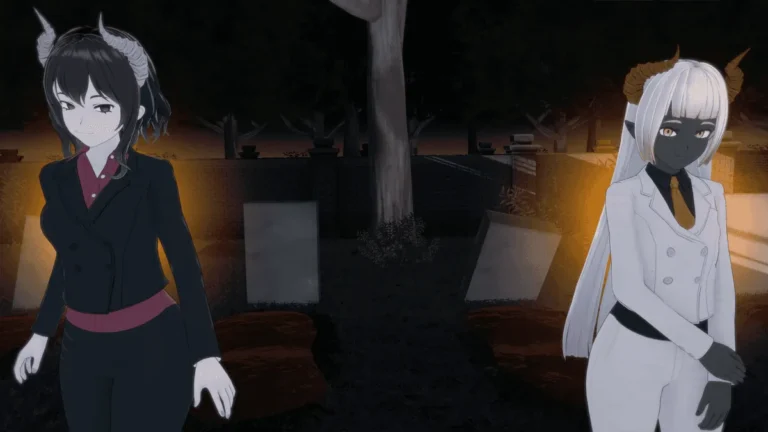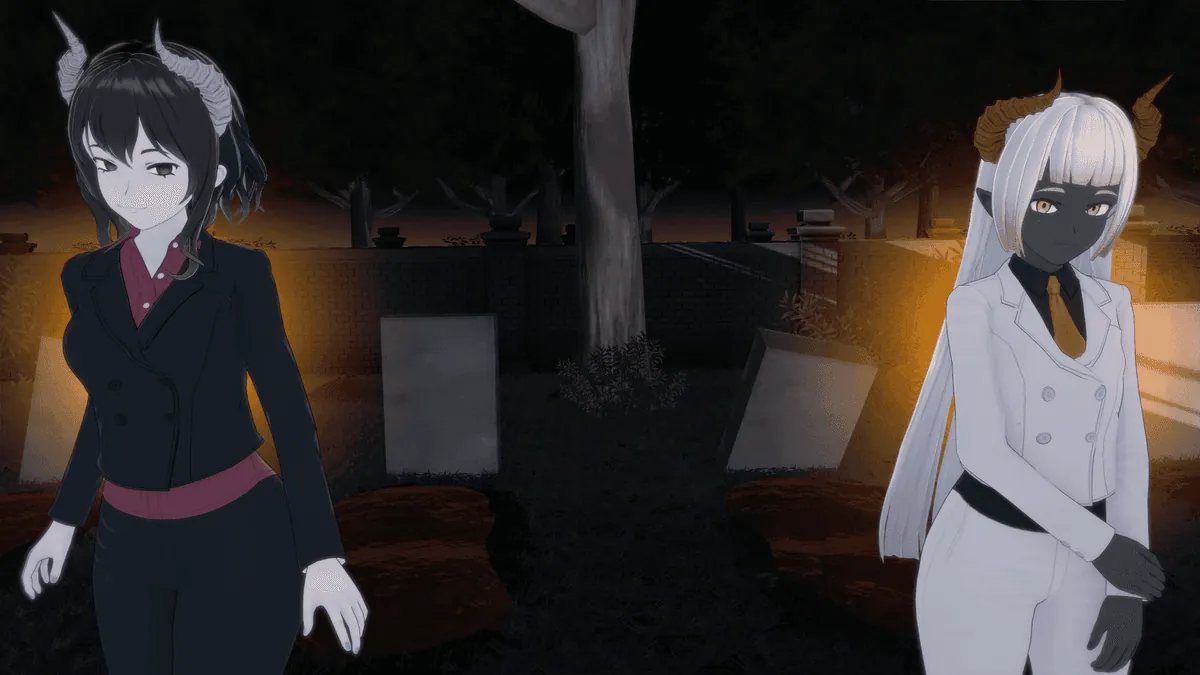
Demons of the Hearth
Play Demons of the Hearth
Demons of the Hearth Screenshots
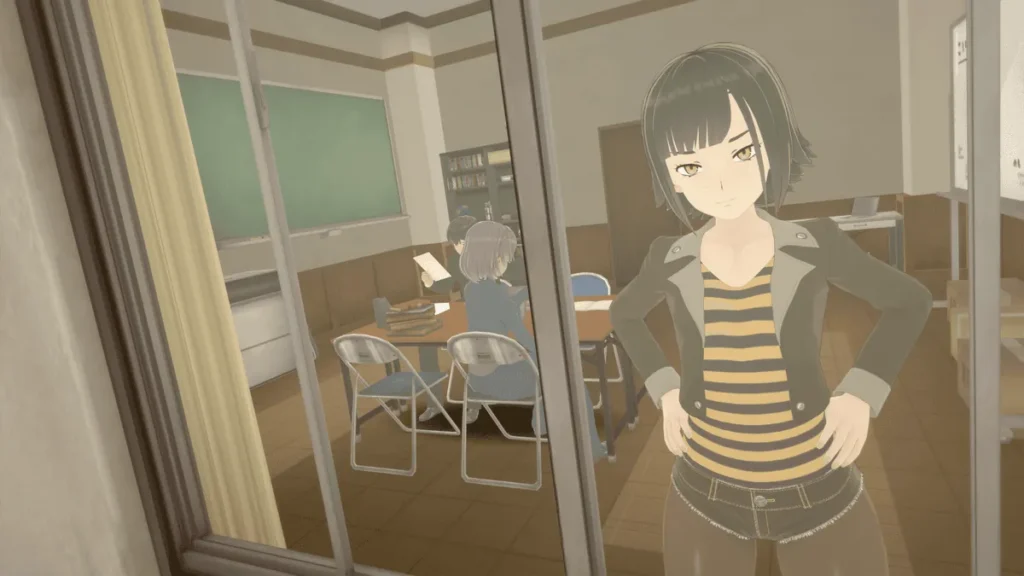


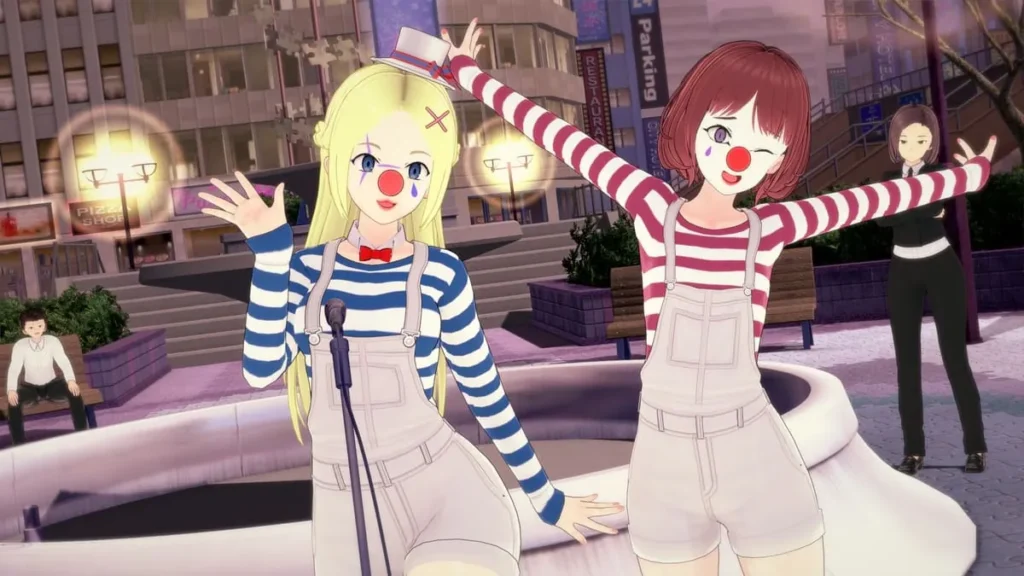
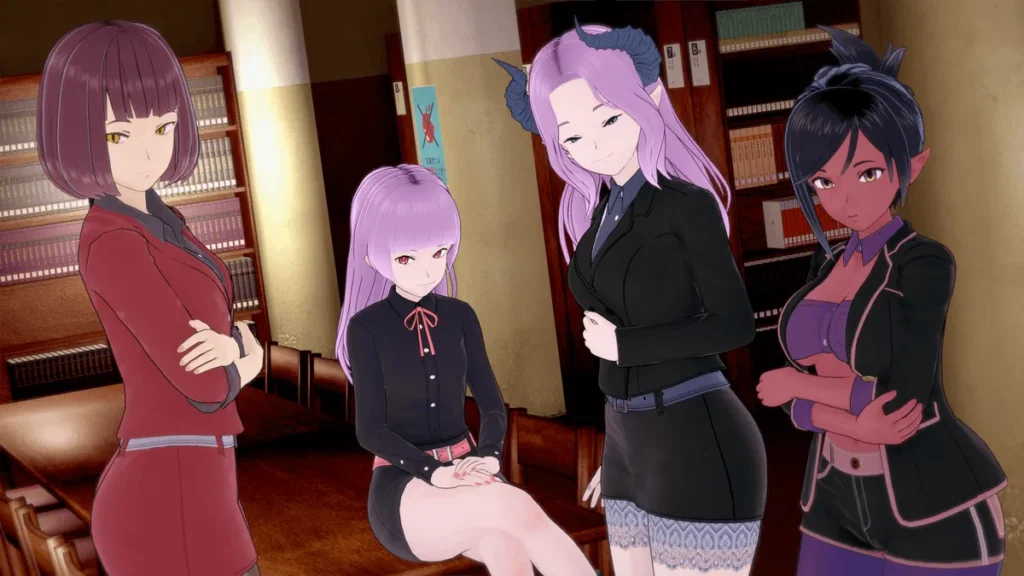
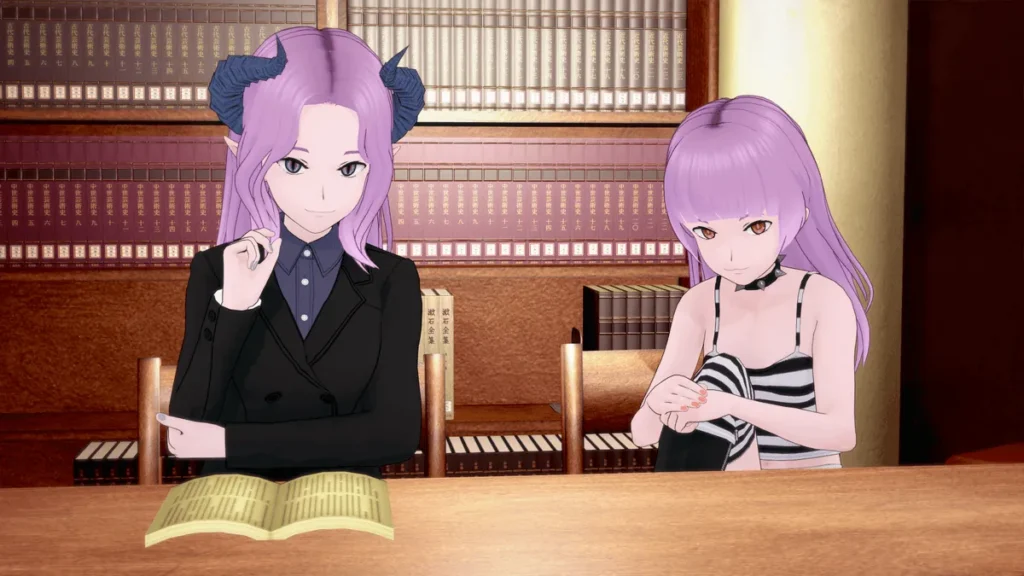
Demons of the Hearth review
Exploring storytelling, gameplay mechanics, and what makes this adult visual novel stand out
Demons of the Hearth has emerged as a standout title in the visual novel genre, earning praise from players who expected far less from an adult-oriented game. This comprehensive guide explores what makes Demons of the Hearth such a compelling experience, from its gripping narrative and character development to its unique gameplay mechanics and world-building. Whether you’re a seasoned visual novel enthusiast or curious about what sets this game apart from others in its category, this article breaks down the key elements that have made Demons of the Hearth a fan favorite. Discover why players consistently describe this game as criminally underrated and what you can expect from diving into its immersive world.
Story, Characters, and World-Building in Demons of the Hearth
Let’s be honest—many adult visual novels lean a little too hard on one element, letting everything else fall by the wayside. You might find a compelling adult visual novel narrative, but the characters feel like cardboard cutouts. Or, you get intriguing Demons of the Hearth characters stuck in a world that feels as deep as a puddle. 🎭
What makes Demons of the Hearth such a breath of fresh air is its refusal to make those compromises. It masterfully weaves a gripping story, profound character arcs, and a living, breathing world into one cohesive, unsettling, and utterly captivating experience. This chapter is a deep dive into the trio of elements that form its brilliant core: the story, the people, and the place they inhabit.
What Makes the Narrative So Compelling?
At its heart, the Demons of the Hearth story is a masterclass in sustained tension and emotional whiplash. You play as a young man returning to your seemingly idyllic hometown of Pinehaven, only to discover it’s under the shadow of a mysterious serial killer. But here’s the twist: the real horror isn’t just out in the dark woods; it’s simmering behind the closed doors of the homes you visit and in the hearts of the people you befriend. 🔪
This isn’t a linear “point A to point B” tale. The narrative structure is brilliantly layered. You progress through distinct chapters, each advancing the central thriller plot, but your access to future chapters is gated by a clever, organic system. To unlock the next main story beat, you often need to deepen your bonds through character side events. It’s a genius design that makes the Demons of the Hearth gameplay feel truly integrated; you must engage with the characters to unravel the mystery, which in turn fuels your investment in both.
The game respects your agency in a way few others do. Yes, it features romantic and intimate routes with characters like the fiercely independent Astrid or the enigmatic Tabitha. However, in a refreshing departure from genre norms, you can consciously choose to decline or steer relationships away from physical intimacy. These choices aren’t treated as failures; they become a unique flavor of your story, focusing on deep platonic bonds or complex alliances. This level of narrative control is a cornerstone of what makes the Demons of the Hearth story so personally resonant.
“I went in expecting one thing, and got completely sucker-punched by how invested I became. I was spending real, anxious brainpower trying to figure out who to trust, worrying about the characters’ safety like they were real people. The story doesn’t just shock you—it gets under your skin and stays there.” – A seasoned visual novel player.
Beneath every dialogue choice and action lies a hidden stat system tracking your protagonist’s evolving personality—your cynicism, compassion, recklessness, or caution. These hidden metrics silently shape dialogue options, character reactions, and even which endings become available. Your journey through Pinehaven becomes a true reflection of your own choices, making the adult visual novel narrative feel uniquely yours.
Character Development and Relationship Mechanics
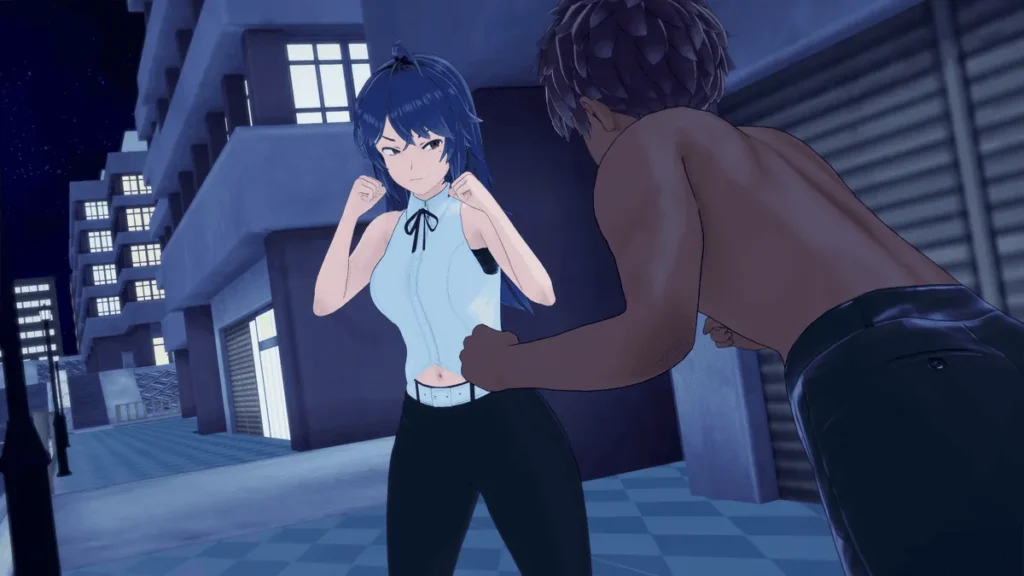
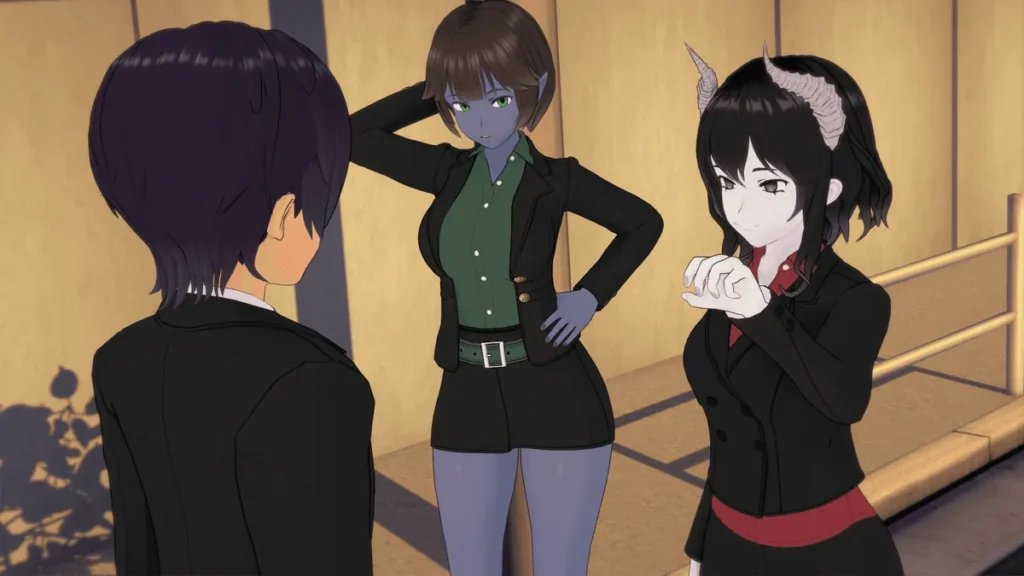
If the story is the skeleton, the Demons of the Hearth characters are the beating heart and soul. This is where the game’s commitment to visual novel character development shines brightest. No one here is a simple archetype. Astrid isn’t just the “tough girl”; she’s a woman grappling with familial duty, personal trauma, and a protective streak she hates to show. Tabitha isn’t just the “mysterious one”; her aloofness is a carefully constructed shield, and peeling back those layers is a slow, rewarding journey.
Relationship building is the core interactive loop, and it’s handled with remarkable sophistication. It’s not about picking the right flirtatious options. It’s about building trust. 🫂
Every interaction is a brick in the foundation of your relationship. Choosing to support a character in a moment of doubt, respecting their boundaries, or sharing a vulnerable moment of your own—these actions incrementally build a hidden “Trust” metric. This mechanic makes relationships feel earned and authentic. A character won’t confide their darkest secret or risk their safety for you just because you gave them three compliments; they will because you’ve consistently proven yourself to be dependable and empathetic.
This focus on Demons of the Hearth relationships transforms the experience. You’re not just collecting scenes; you’re nurturing fragile, human connections in a world full of danger. The “sandbox mode” periods of gameplay, where you choose how to spend your days and who to see, simulate a powerful sense of freedom. You decide whether to investigate a clue about the killer, work to earn money, or spend a quiet afternoon with someone. These choices directly feed back into both the main plot and your personal bonds, making the Demons of the Hearth gameplay incredibly dynamic.
The payoff for this deep visual novel character development is immense emotional investment. When the thriller plot intrudes, and characters are put in peril, the stakes feel viscerally real. You’re not worried about a plot device; you’re worried about a person you’ve come to understand and care for. This seamless blend of personal drama and external threat is the game’s greatest narrative achievement.
| Character | Core Archetype | Relationship Dynamic | Key to Building Trust |
|---|---|---|---|
| Astrid | The Protector | Fiery, loyal, but guarded. A partnership built on mutual strength and vulnerability. | Show reliability and respect her independence. Support her without being condescending. |
| Tabitha | The Enigma | Slow-burn, intellectual. Connection is built through patience, observation, and subtlety. | Respect her space, engage with her interests, and prove you’re perceptive and discreet. |
| Other Key Characters | Various (The Caregiver, The Skeptic, etc.) | Range from supportive to antagonistic, but all are multifaceted. | Often involves navigating their personal conflicts or aligning with their worldview. |
The World-Building That Keeps Players Invested
Pinehaven is more than a backdrop; it’s a character in its own right. The visual novel worldbuilding in Demons of the Hearth is subtle, environmental, and deeply effective. You learn about the town’s history, its social tensions, and its secrets not through lengthy exposition, but through throwaway comments from locals, old newspapers you can read, and the changing atmosphere of locations. 🌲
This approach creates a powerful sense of verisimilitude. The town feels lived-in. The looming threat of the serial killer isn’t just a plot device; it alters the world state. As the story progresses, you’ll see tangible changes: townspeople become more nervous and suspicious, certain areas may be placed under curfew, and rumors swirl. Your actions and discoveries can directly influence this world state, opening up or closing off certain story threads and interactions.
The genius of the Demons of the Hearth gameplay loop is how it ties this world-building to progression. You can’t brute-force the story. To unlock a crucial main story chapter, you might need to reach a certain trust level with a character who then gives you a key piece of information about the town’s history. Or, you might need to earn enough money from odd jobs to access a part of town where a clue is hidden. The world of Pinehaven has its own logic and barriers, and you must engage with it fully to move forward.
This makes every playthrough feel exploratory and purposeful. You’re not just clicking through dialogue; you’re a detective, a part-time worker, and a friend, all while trying to survive. The Demons of the Hearth story is embedded in this world, and the world reacts to your place in the story. It’s this recursive, living quality that makes the setting so unforgettable and invests you completely in its fate and the fate of the Demons of the Hearth characters within it.
| World-Building Element | How It’s Revealed | Impact on Gameplay & Story |
|---|---|---|
| Town History & Secrets | Environmental clues, optional dialogues, collectible documents. | Provides context for character motivations and can unlock alternative paths or solutions. |
| The “Killer’s Shadow” World State | Changing NPC behaviors, news updates, atmosphere in locations. | Limits or enables access to areas, influences which side events are available, increases tension. |
| The Local Economy & Jobs | Sandbox mode activities like bartending or repairs. | Grants resources to unlock content, provides organic opportunities for character interactions. |
Frequently Asked Questions
How do I progress the main story if I get stuck?
The most common reason is not meeting the hidden requirements for the next chapter. Focus on character side events! Spend time in sandbox mode building Demons of the Hearth relationships with key characters. Increasing their Trust, or achieving specific milestones in their personal stories, is often the key that unlocks the next main plot beat.
Can I romance multiple characters at once?
The game’s systems are built around authentic Demons of the Hearth relationships. While you can build positive rapport with multiple characters, pursuing intimate, high-trust routes with more than one can lead to complex consequences, including jealousy, locked-out content, or narrative conflicts. The game encourages focused, meaningful connections.
How do I know if I’m on a specific character’s route (like Astrid or Tabitha)?
There are no obvious on-screen notifications. Pay close attention to the narrative and the depth of your interactions. If you’re consistently choosing to spend time with them, and the conversations are becoming increasingly personal and vulnerable, you’re likely on their path. Significant, unique story events centered around a character are a clear sign you’ve deepened the bond substantially.
What is the “personality direction” and how do I influence it?
This refers to the hidden stats influenced by your choices. Are you often choosing aggressive, cynical, or cautious dialogue options? Those actions silently shape your protagonist’s personality. This direction can open up unique dialogue choices later, affect how certain characters perceive you, and influence the final narrative outcomes. The best advice is to role-play consistently.
In the end, Demons of the Hearth stands out because it understands that a powerful story is built on the foundation of believable people and a tangible world. Its adult visual novel narrative earns its mature themes by exploring the demons within its characters and its community, not just the one lurking in the shadows. The sophisticated visual novel character development and immersive visual novel worldbuilding create a perfect storm of engagement, making every choice feel weighty and every revelation deeply personal. It’s a testament to how the Demons of the Hearth gameplay can weave mechanics and narrative into a single, unforgettable experience.
Demons of the Hearth stands out as a remarkable achievement in visual novel design, combining exceptional storytelling with meaningful character development and immersive world-building. The game’s ability to balance engaging narrative with player choice, coupled with its sandbox exploration elements, creates an experience that resonates far beyond typical genre expectations. Players consistently praise the emotional depth, the quality of prose, and the genuine investment they develop in the characters and their fates. If you’re looking for a visual novel that prioritizes compelling storytelling, complex character relationships, and a world worth exploring, Demons of the Hearth deserves your attention. Start your journey today and discover why this game has earned such devoted recognition from the visual novel community.