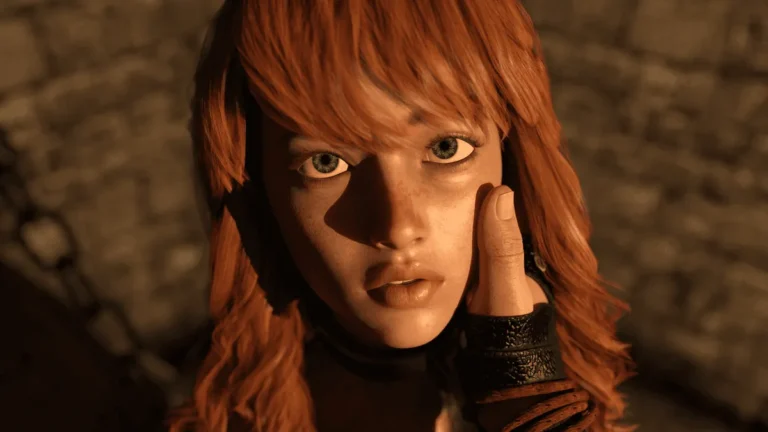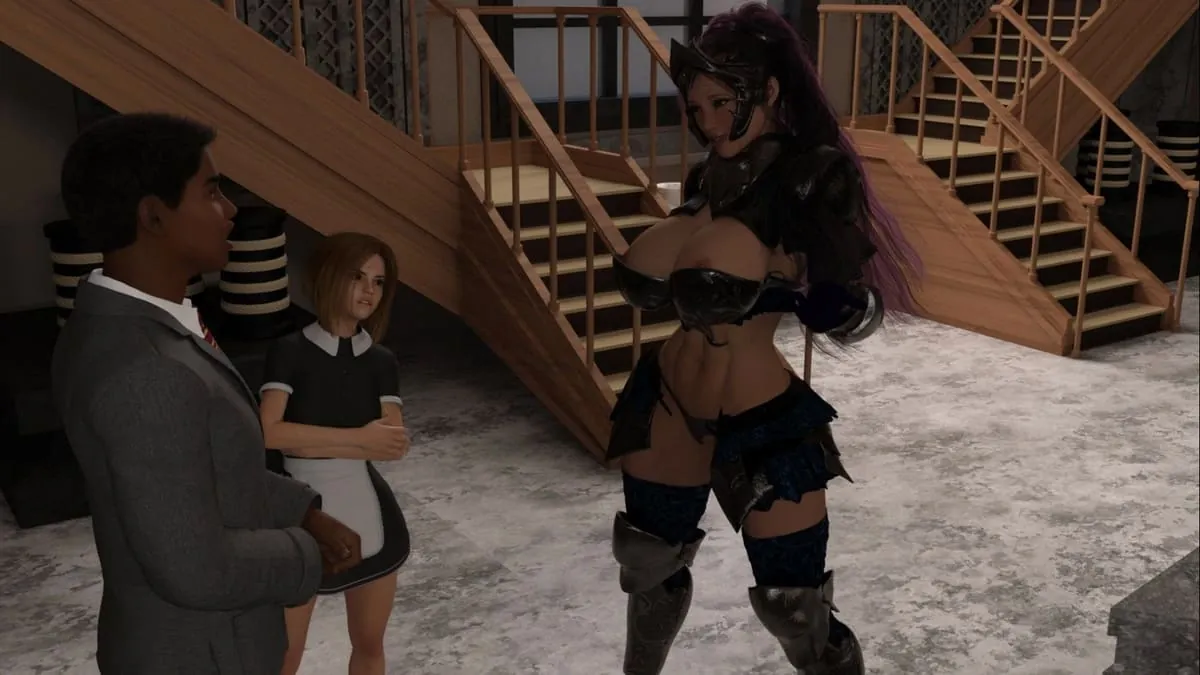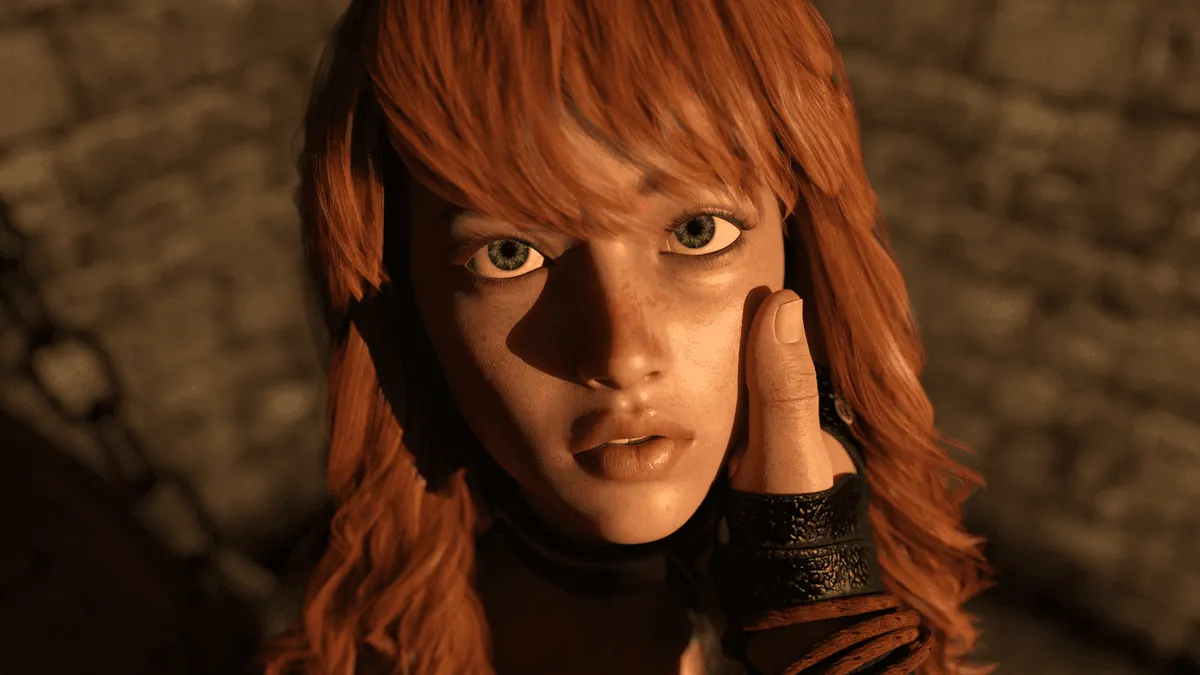
Desert Stalker
Play Desert Stalker
Desert Stalker Screenshots


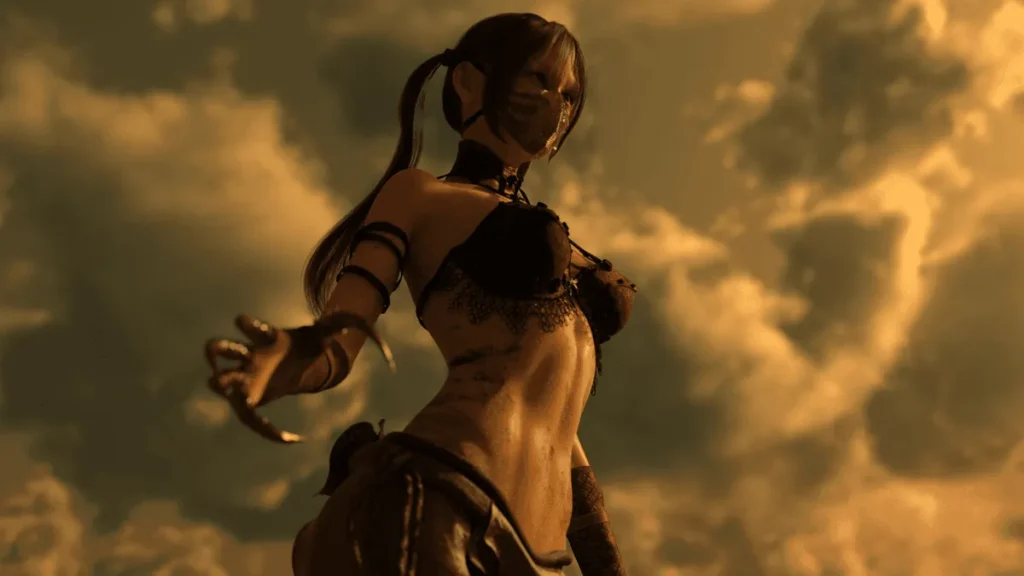
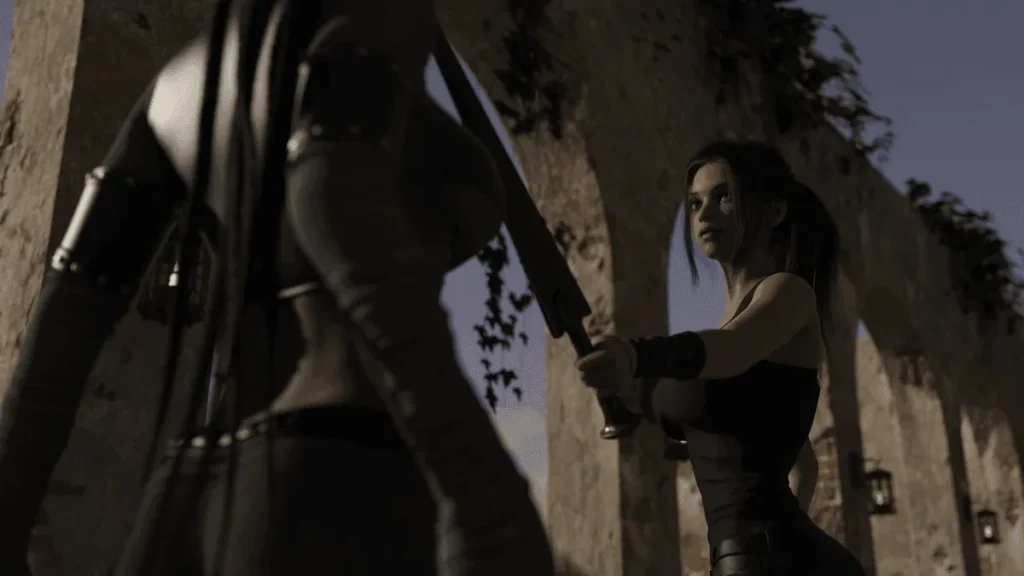

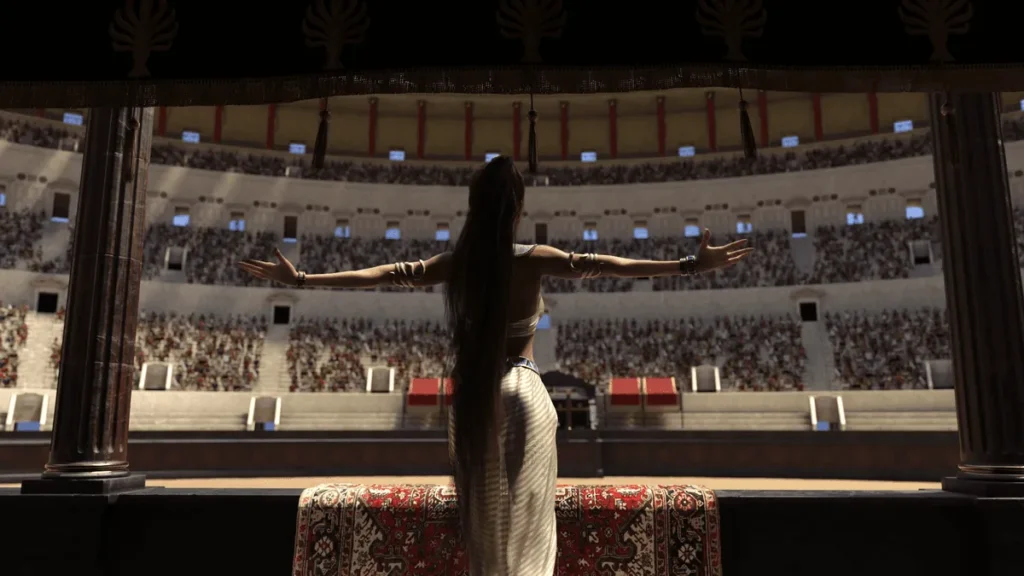
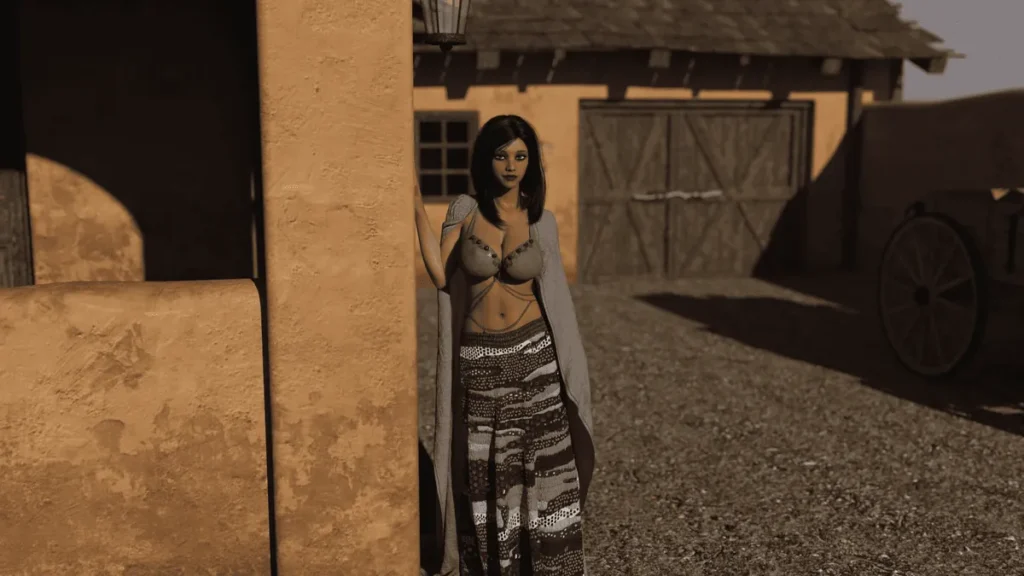

Desert Stalker review
Dive into the gritty world of artifact hunting, tough choices, and immersive storytelling in this standout adult visual novel
Imagine scavenging the sun-baked ruins of post-apocalyptic Egypt, unearthing artifacts that could rewrite history while navigating a world of danger, desire, and domination. That’s the thrill of Desert Stalker, the adult visual novel that’s hooked players with its rich narrative and player-driven choices. I first stumbled upon Desert Stalker during a late-night gaming binge, expecting just another title, but its blend of gritty dystopia, emotional depth, and free-roam exploration kept me up till dawn. Whether you’re shaping a harem, forging alliances, or embracing your inner anti-hero, this game delivers consequences that feel real. In this guide, we’ll break down everything from core mechanics to character arcs, helping you craft your perfect playthrough.
What Makes Desert Stalker Stand Out in Post-Apocalyptic Gaming?
I still remember the first time I booted up Desert Stalker. I was expecting another gritty, grey wasteland—you know the type. But instead of crumbling concrete, I was greeted by the sun-bleached bones of ancient pyramids against a blood-orange sky. The air seemed to shimmer with heat, and the soundtrack wasn’t industrial noise, but something with the lonely echo of a desert wind. 🏜️ That was my “aha” moment. This wasn’t just another post-apocalyptic tale; this was a journey into a uniquely haunting vision of post-apocalyptic Egypt, and I was instantly hooked.
You step into the worn boots of a seasoned artifact scavenger, a hunter of forgotten tech and lost secrets in a world shattered by an ancient cataclysm. The core premise is immediately gripping: your character stumbles upon a discovery that could reshape the future of what’s left of humanity. But this isn’t a simple fetch quest. Every relic you dig up, every ruin you pick through, is tied to the fragile ecosystem of survivors, tyrants, and factions fighting over the scraps. The landscape itself is a character, and your actions can literally change its map.
This is the heart of the Desert Stalker game: you’re not saving the world because you’re a hero. You’re navigating it because you want to survive, thrive, and perhaps leave a mark on your own terms. It’s this raw, personal stake that elevates it beyond a simple adventure. You’ll manage your base, your resources, and crucially, your relationships. Will you use your power to dominate, to protect, or to carve out a comfortable kingdom amidst the chaos? The game doesn’t judge. It presents, and it consequences.
And what consequences they are! This is an adult visual novel that earnestly embraces both halves of that term. The “adult” elements aren’t just titillation; they’re woven into the power dynamics, the trauma, and the rare moments of tenderness that make this world feel frighteningly real. Conversely, the “visual novel” storytelling is top-tier, with branching narratives that react to your morality—or lack thereof.
The technical execution is where it all comes together. Built in Ren’Py, it features stunning, high-quality renders that make every scene feel cinematic. The sound design and music are meticulously crafted to deepen the immersion, whether you’re in a tense standoff or a quiet moment at home. Best of all? It’s a no-grind sandbox. Your progress is driven by your choices and exploration, not by repetitive tasks.
So, where do you start? My biggest piece of actionable advice is to lean into the roleplay. Decide who your Stalker is before you even click “New Game.” Are they a pragmatic survivor, a vengeful brute, or someone trying to reclaim a sliver of decency? Let that guide your first few decisions. Don’t try to see everything in one go—the magic of Desert Stalker is in the replay, where different anti-hero choices unveil entirely new story layers.
Ready to dive deeper into what makes this experience so special? Let’s break it down.
Unpacking the Core Story and Setting
Forget the generic nuclear winter. The post-apocalyptic Egypt of Desert Stalker is a masterpiece of environmental storytelling. The catastrophe here feels ancient, allowing the dunes to reclaim pharaonic monuments and futuristic ruins alike. This setting isn’t just a backdrop; it’s the central mystery. As an artifact scavenger, you’re essentially a desert archaeologist, piecing together what happened from the high-tech debris and mutated creatures that now inhabit the tombs.
The lore is drip-fed through exploration, environmental details, and conversations with the game’s distinct characters. You’ll meet everything from desperate settlers clinging to oasis villages to ruthless raider lords and enigmatic figures who remember the old world. Your home base acts as a microcosm of this world—a place to recover, interact with your household, and plan your next foray into the unknown. 🐪
The main plot thread—the discovery of a world-altering artifact—serves as the perfect catalyst. It gives your actions weight, pushing you into the political and moral struggles of the region. Will you hoard the power for yourself and your close ones? Will you trade it for influence? Or will you attempt to use it for a greater, riskier good? The beauty is that the game supports all these paths, making the story yours in a way few games achieve.
Player Choices: Hero, Villain, or Something In Between?
This is where Desert Stalker truly separates itself from the pack. Your moral compass isn’t just for show; it’s the primary tool you use to sculpt the narrative. The game presents you with anti-hero choices that are often shades of grey, or sometimes, just varying degrees of dark.
You can play as a protective, if somewhat possessive, force for those you care about—a knight in tarnished armor. You can be a purely pragmatic opportunist, making cold calculations for survival and gain. Or, you can embrace a darker path, using fear and force to dominate the wastes. The game’s systems track these decisions, opening up or closing off story branches, relationships, and even entire areas based on your reputation.
Key gameplay features that bring this choice system to life include:
- Far-Reaching Decision Branches: A choice in Chapter 1 can radically alter who you meet and what options are available in Chapter 3. There’s no “right” answer, only consequences.
- Relationship Dynamics: Connections are built (or broken) through your actions. This goes beyond simple romance meters to include loyalty, fear, gratitude, and hatred.
- Content Filters: A brilliant feature for personalization. You can tailor the intensity of the adult content, focusing more on the gritty adventure or the relationship-building aspects as you prefer.
The adult visual novel format is used to its fullest here. Emotional moments land with force precisely because the game isn’t afraid to show vulnerability or darkness. Tender scenes with household members feel like earned respites from the harsh desert, while moments of conflict feel genuinely impactful. It’s a full-spectrum emotional experience.
| Playstyle Archetype | Common Choices | World Impact |
|---|---|---|
| The Protector | Shielding the weak, negotiating peace, investing in home. | Fosters safer settlements, builds loyal allies, may miss out on lucrative but cruel opportunities. |
| The Opportunist | Playing factions against each other, always seeking the best deal, avoiding unnecessary fights. | Creates a volatile, mercenary landscape; rich but friendless, always on the knife’s edge. |
| The Dominator | Using strength to take what you want, instilling fear, crushing opposition. | Cultivates a fearful, subservient environment; attracts sycophants and bitter enemies in equal measure. |
Free-Roam vs Linear Paths – Which Suits Your Style?
One of the most appealing design choices in Desert Stalker is its hybrid structure. It masterfully blends a tightly written, linear main story with pockets of free roam exploration. Think of it as having a critical path you must follow, but with frequent, open-ended detours that you can explore at your leisure.
During major free roam phases, the map opens up. You can:
* Hunt for hidden artifacts and resources to upgrade your gear and base.
* Pursue optional side-quests that deepen the lore or introduce unique characters.
* Simply explore the stunning, hazardous landscape of post-apocalyptic Egypt at your own pace.
* Focus on building your harem simulator elements by spending dedicated time with different household members, unlocking their personal stories.
This approach gives you the best of both worlds. You never feel lost or without purpose, as the main story always provides a guiding thread. Yet, you also have the freedom to step off that thread and make the world your own sandbox. Whether you want a story-driven experience or a more open-ended one where you build your desert kingdom (and relationships), the game accommodates you.
This mix is perfect for replayability. On your first run, you might follow the main plot closely. On your second, armed with knowledge of the map, you might dive deep into every nook and cranny, uncovering secrets that change your understanding of the entire plot. The free roam exploration sections are where your role as an artifact scavenger truly shines, rewarding curiosity with powerful gear and game-changing narrative insights.
“I went in expecting one thing and got completely sucker-punched by the story. Months later, I’m still thinking about my choices and the characters. It just… sticks with you.” – A longtime player’s testimonial on the game’s emotional immersion.
At its core, Desert Stalker stands out because it commits to a bold, specific vision and executes it with polish and depth. It’s more than a game; it’s a character-driven simulator of life and power in a beautiful, broken world. Your desert is waiting, Stalker. What will you make of it?
Desert Stalker isn’t just another adult visual novel—it’s a gripping post-apocalyptic tale where your choices forge empires, harems, and legacies amid Egypt’s ruins. From artifact hunts to heartfelt bonds with characters like Shani, the game’s depth, polish, and replayability make every playthrough unique. I’ve lost count of hours shaping my anti-hero, balancing grit with tenderness, and uncovering hidden quests. If you’re craving immersive storytelling with real stakes, dive in today. Grab it on Itch or Steam, tweak those filters, and start scavenging—your dystopian destiny awaits. What path will you choose?