DropOut Saga
Play DropOut Saga
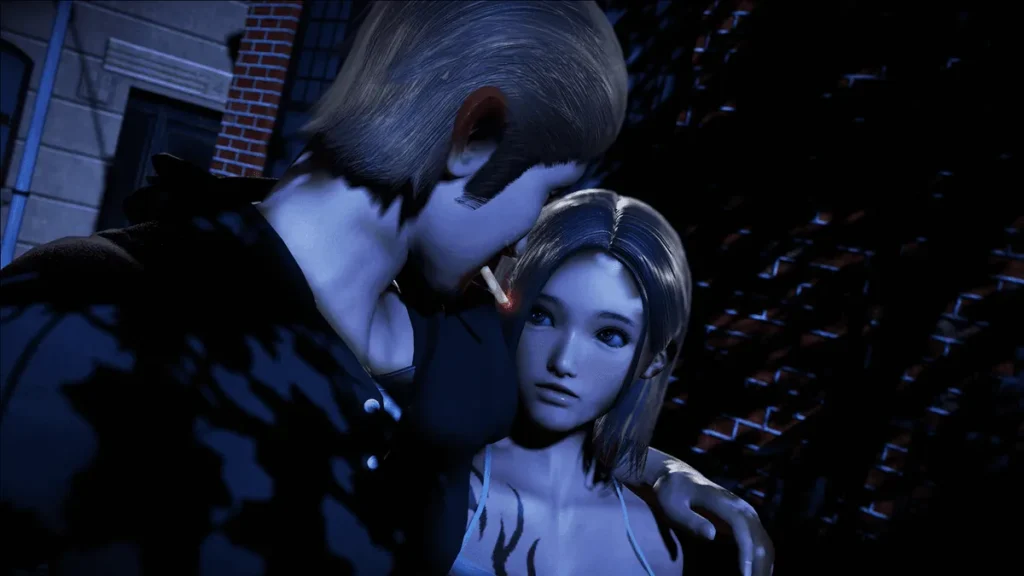
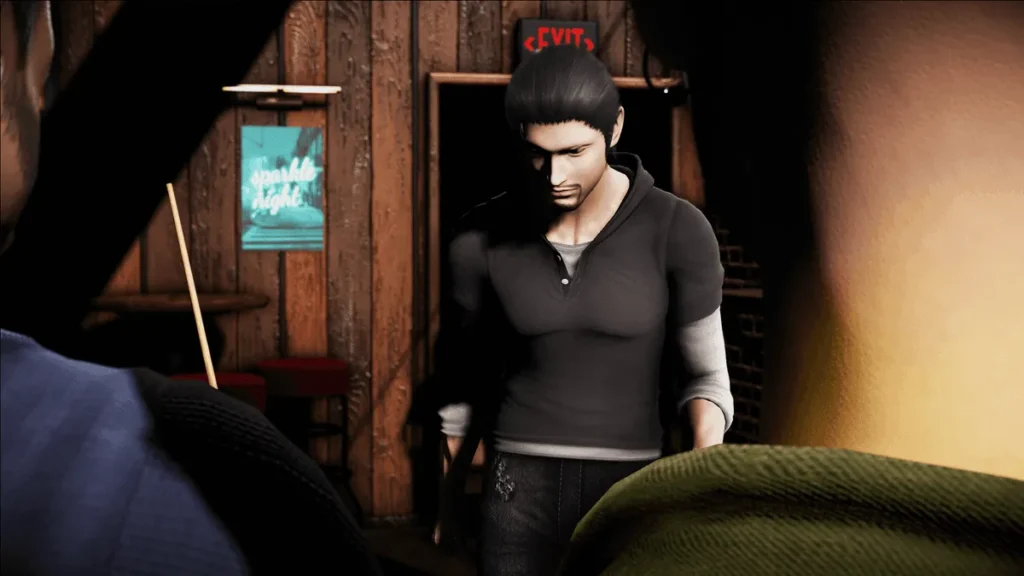
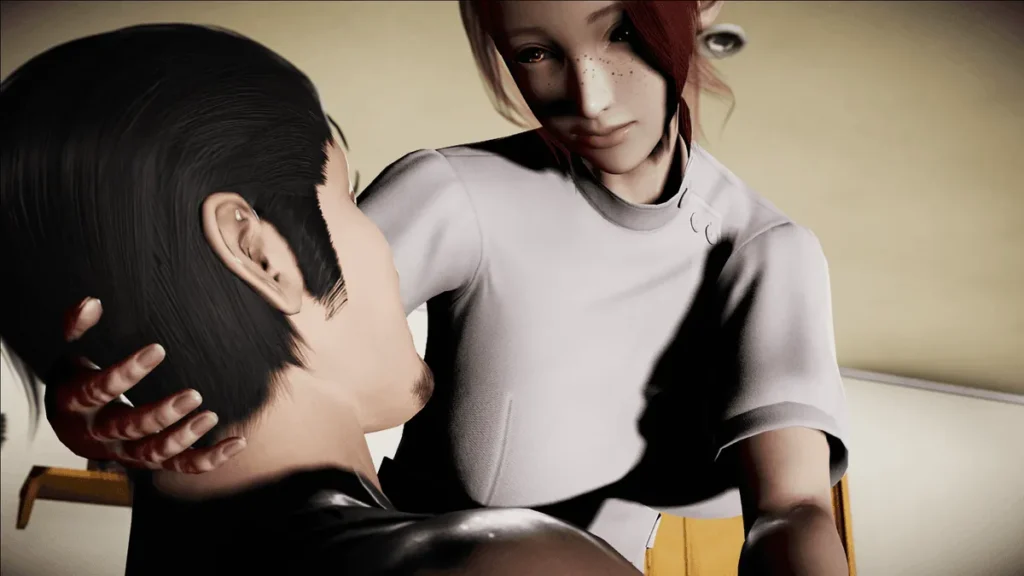
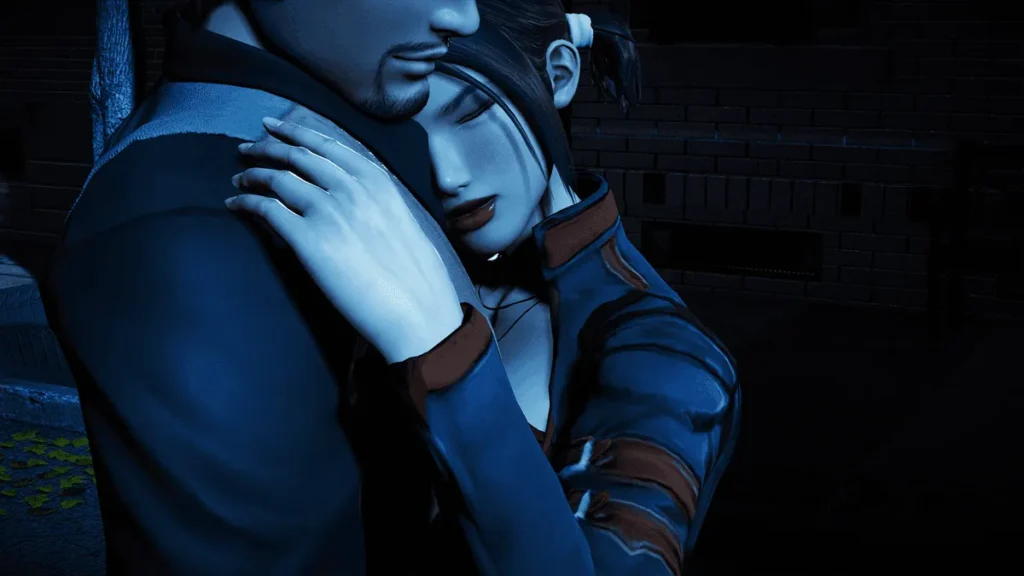
DropOut Saga Screenshots



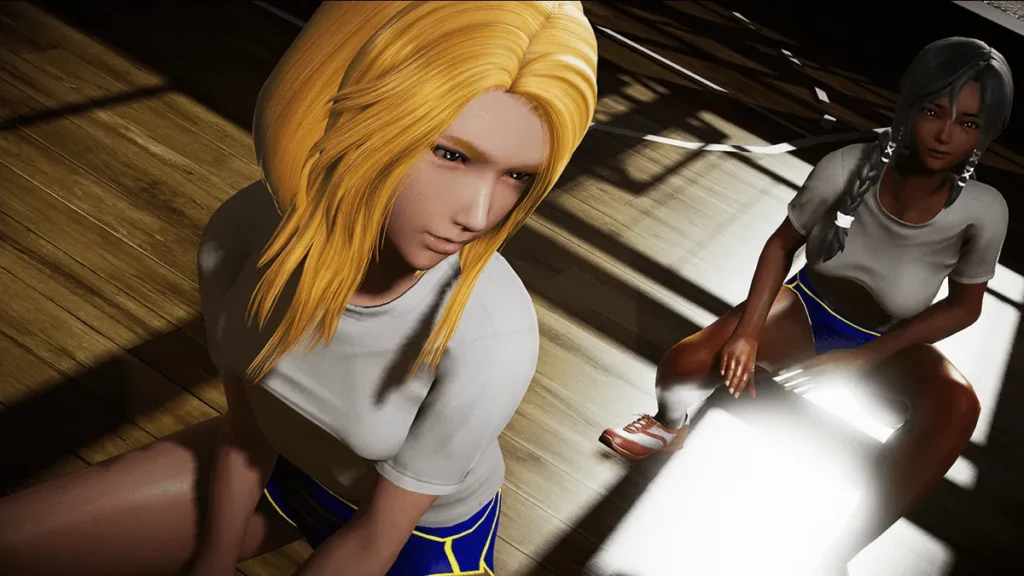
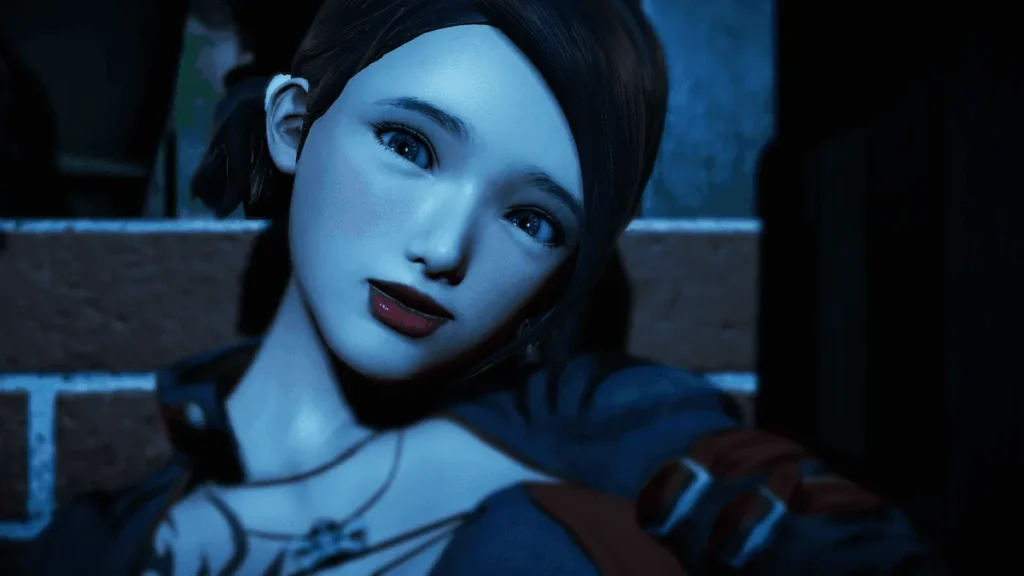
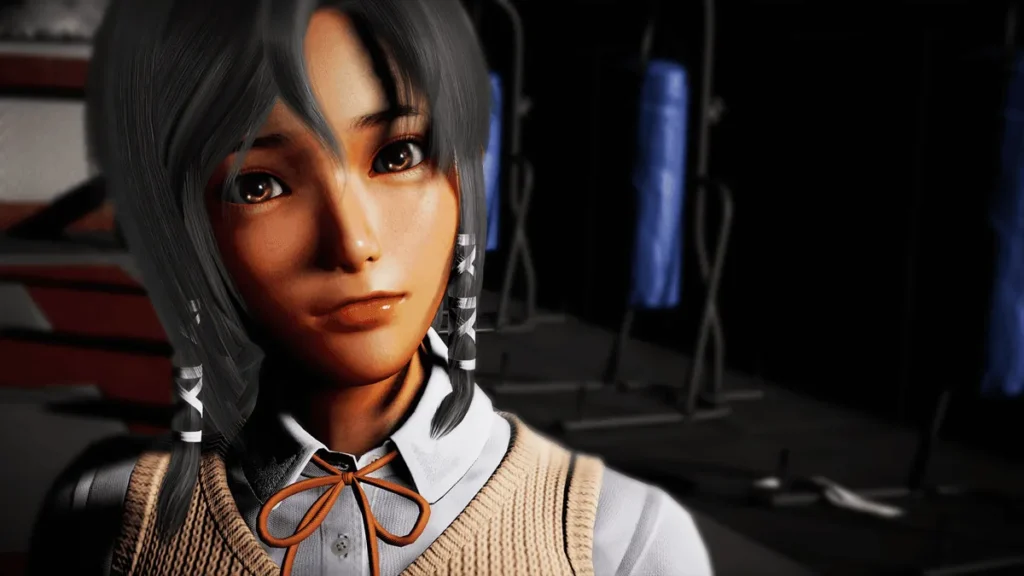
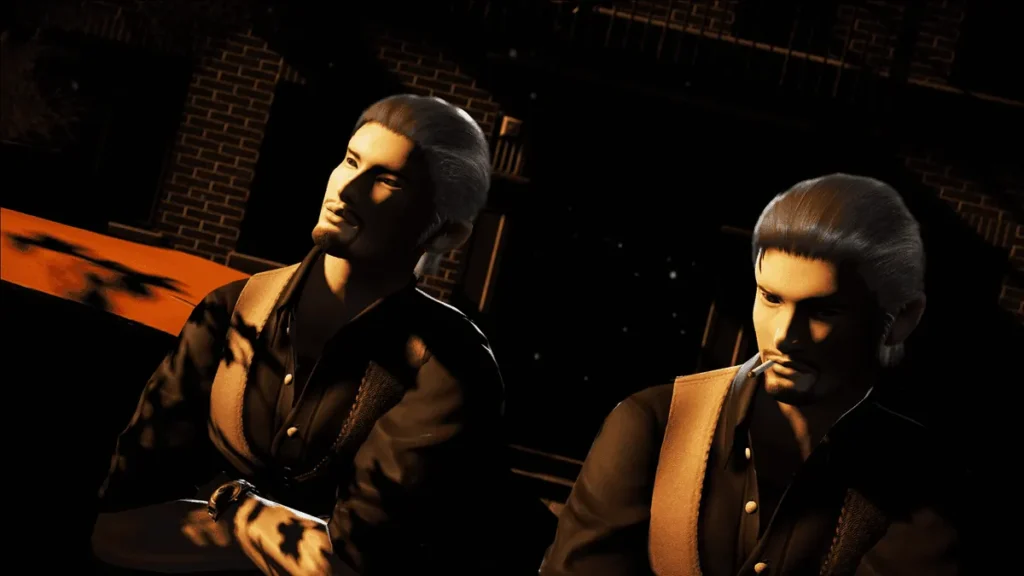




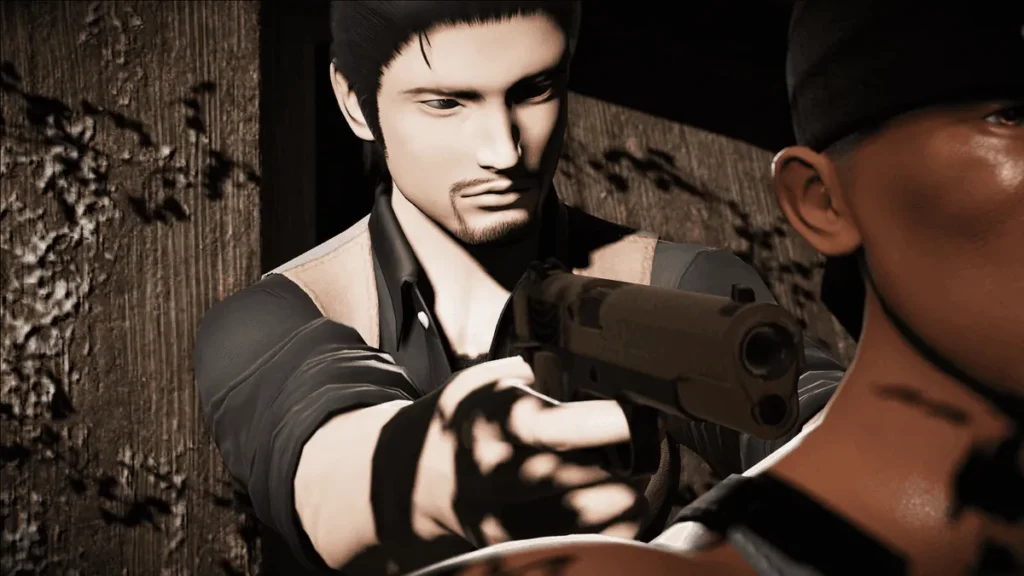



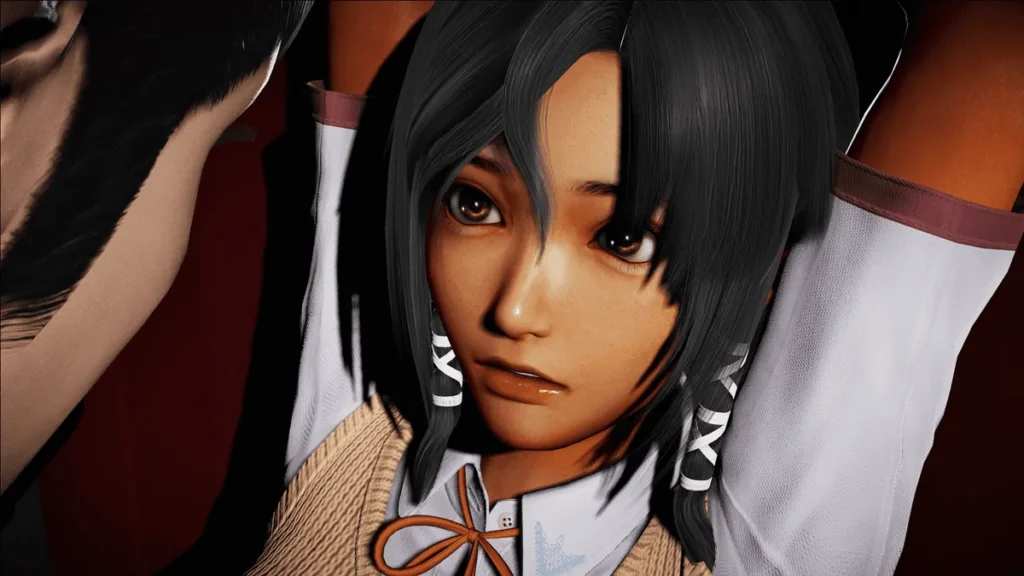
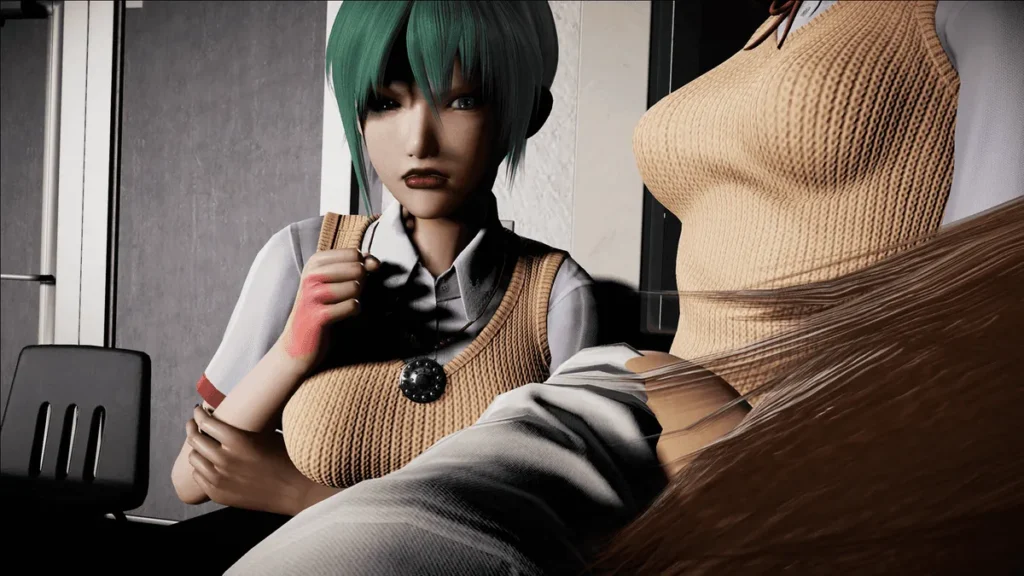
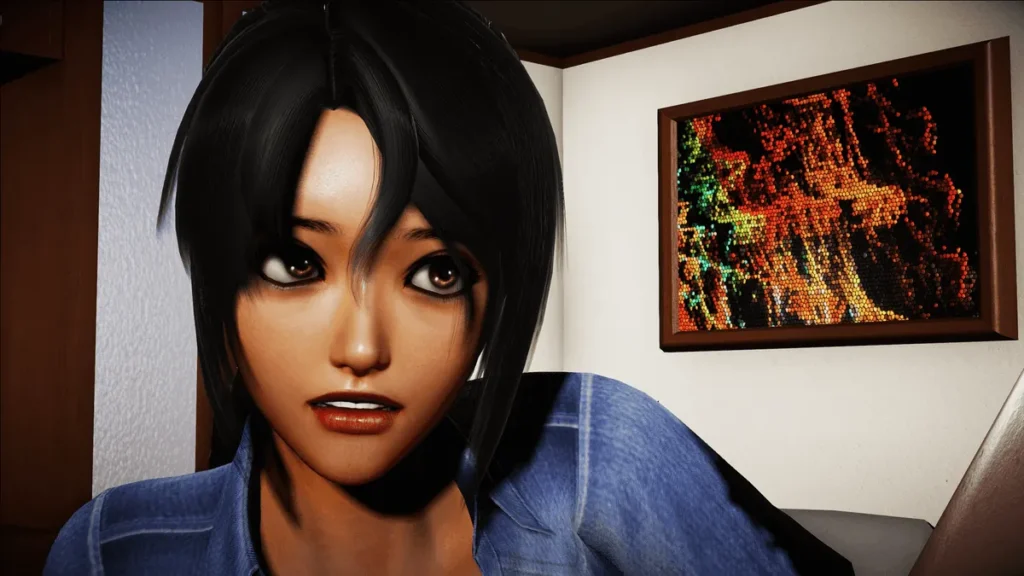
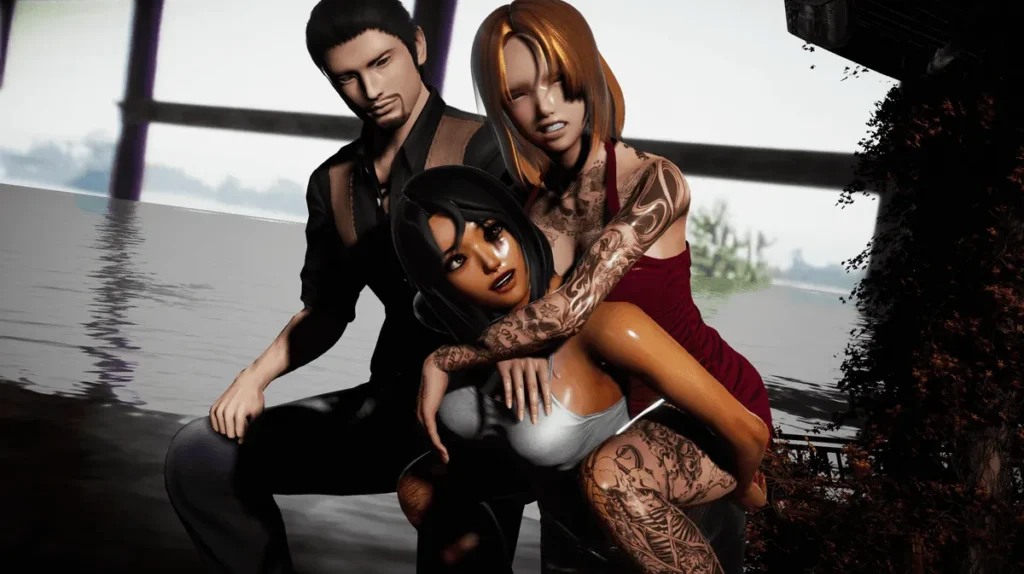
DropOut Saga review
Gameplay, story, and tips from a seasoned adult-game player
DropOut Saga is an adult-oriented visual novel and simulation game that blends character-driven storytelling with interactive choices and spicy scenes. If you have stumbled across DropOut Saga on a forum or download site, you might be wondering what the game actually feels like to play, how deep the story goes, and whether it’s worth your attention compared with other adult titles. In this article, I’ll walk you through how DropOut Saga works, what stands out after several hours of play, and some practical tips I wish I’d known when I first installed it.
What Is DropOut Saga and How Does It Play?
So, you’ve heard the name and you’re curious. What is DropOut Saga, really? 🤔 Is it just another title in a crowded genre, or does it bring something unique to your screen? In my hours with the game, I found it to be a compelling blend of familiar mechanics and personal storytelling. At its heart, DropOut Saga is a narrative-driven, choice-based experience that prioritizes character relationships and slow-burn progression over quick thrills. If you’re someone who gets invested in virtual lives and the consequences of your decisions, you’re in the right place.
This DropOut Saga game overview will stick to the facts of tone, structure, and playstyle. We’ll unpack its core concept, walk through a typical gameplay session, and—most importantly—figure out if this is the right game for you. Let’s dive in.
DropOut Saga Overview: Core Concept and Structure
Imagine stepping into a life that’s at a crossroads. That’s the foundational premise of DropOut Saga. It positions itself as an adult-focused visual novel with strong simulation elements, set against a relatable backdrop of school life and urban dynamics. You don’t play as a predefined hero; you navigate the daily grind of a protagonist trying to find their footing, balancing academics, social circles, and personal ambitions.
The core structure is episodic and calendar-based. You progress through days and weeks, each offering a slice of life that you can influence. The game’s world is built through extensive dialogue and character interactions. This isn’t a title you blast through with quick-time events; it’s one you settle into, with a lot of reading and careful consideration. The narrative is the main vehicle here, driven entirely by your choices, both big and small.
From my first boot-up, I appreciated that the setting felt lived-in. It’s not just a static background for scenes; your choices of where to go and who to engage with actively shape the tone of the story. Will you be the diligent student, the social butterfly, or someone carving their own unique path? The game doesn’t judge, but it remembers. This strong narrative focus means players who genuinely enjoy character development and watching a story unfold based on their input will feel immediately at home. You’re not just watching a story; you’re authoring it, one conversation at a time.
How Does DropOut Saga’s Gameplay Loop Work?
Alright, let’s get practical. What do you actually do in DropOut Saga gameplay? 🎮 If you’re new to this style of game, the loop can seem simple on the surface, but it hides delightful depth. A typical session revolves around management and meaningful choice.
The loop breaks down into a repeatable cycle of planning, interaction, and consequence. Here are the main components you’ll engage with:
- Dialogue Choices: This is the bread and butter. Every conversation presents options that affect character affinity, unlock new information, and steer the plot.
- Daily Routine Management: Your time and energy are limited resources. Choosing to study in the library, work a part-time job, or hang out at a friend’s place has direct trade-offs.
- Character Interactions: Building relationships is key. You’ll need to seek out characters, choose dialogue that resonates with them, and sometimes fulfill small tasks or remember key details about them.
- Progression & Unlockables: As you build stats (like charm, intelligence, etc.) and deepen relationships, you unlock new scenes, story branches, and special events that are otherwise inaccessible.
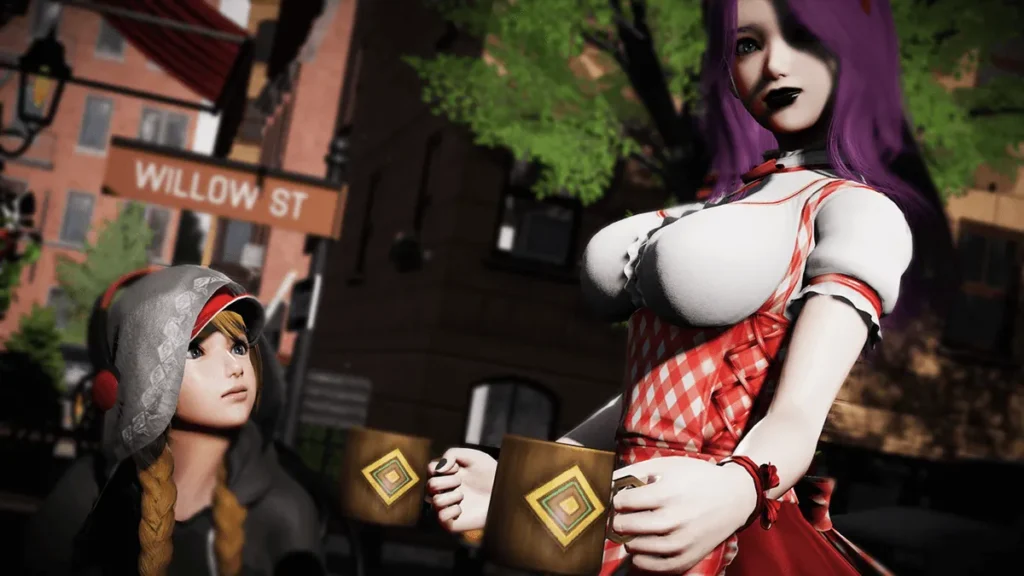
A standard in-game day might start with a morning scene, then give you a few action points to spend on locations around town. Each location hosts specific characters or activities. Choosing “The Campus Courtyard” might lead to a chance encounter with one storyline, while “The Downtown Cafe” advances another. Evening often brings key story beats or private conversations.
Let me share a quick anecdote from my first virtual week. I was breezing through, choosing dialogue options that felt natural to me. I wanted my character to be witty and a bit sarcastic. 😏 By Wednesday, I realized I had completely alienated a more serious, career-oriented character. A key story branch involving them was now closed off—the game didn’t flash a warning, it just naturally concluded I hadn’t built the necessary rapport. It was a brilliant lesson: DropOut Saga doesn’t have “right” choices, but it absolutely has consequential ones. This moment is what sold me on the replayability. I immediately started a new save, playing a more conscientious version of myself, and was amazed at how different the narrative threads felt.
This choice-based progression is the engine of the DropOut Saga visual novel experience. You are constantly funneled towards different endings—some tied to specific characters, others to your overall life path—based on a hidden web of requirements you’ve been meeting (or ignoring) all along.
My Top Tip: Save often, and in multiple slots! Before any significant choice or at the start of a new day. You’ll thank yourself when you want to explore a “what if” scenario without replaying 10 hours.
Who Will Enjoy DropOut Saga the Most?
This is the million-dollar question. Who is DropOut Saga for, truly? Based on my time with it, the game is a niche masterpiece, but that niche is very specific. It’s not trying to be everything to everyone, and understanding its target audience is key to your enjoyment.
Firstly, this game is a must-try for narrative lovers. If you enjoy slow-burn storytelling, complex character routes, and the satisfaction of seeing your decisions ripple through a world, you’ll find a lot to love. The joy here is in the journey and the discovery, not in a constant drip-feed of rewards. It appeals to the player who likes to theorize about character motivations and replay chapters to see all the outcomes.
To give you a clearer picture, let’s break down the ideal player profile:
| Player Type | Will They Enjoy DropOut Saga? | Why? |
|---|---|---|
| The Story Binger | Very Likely 👍 | The game is built for deep narrative immersion and character investment. The branching paths offer substantial story content. |
| The Completionist | Likely, with patience ⏳ | Multiple endings and hidden scenes provide a long-term chasing goal, though it requires meticulous playthroughs. |
| The Action/Adventure Seeker | Probably Not 👎 | If you crave combat, reflexes, or fast-paced puzzles, the deliberate pace and reading focus may feel too slow. |
| The “Try Everything” Experimenter | Absolutely! 🎯 | The game rewards curiosity and different playstyles. Seeing how a rude vs. kind approach changes outcomes is a core pleasure. |
Now, for some honest DropOut Saga review perspective from an adult-game player: If you come in expecting complex combat systems or deep economic simulation, you will be disappointed. That’s not what this is. However, if you are engaged by adult themes woven into a story about growth, relationships, and consequence, and you appreciate having agency within that story, then DropOut Saga can be incredibly engaging.
My practical advice for approaching it? Embrace the pace. Don’t rush. Read the dialogue—the nuances matter. Pay attention to what characters say about themselves and others; it’s often a clue for what choices will bring you closer to them. And finally, go in with a role-playing mindset. Decide who you want to be in this world for a given playthrough, and commit to it. The game’s magic lies in how faithfully it reflects that commitment back at you, for better or worse.
Quick DropOut Saga FAQ
Before you jump in, here are answers to a few common questions I had when starting:
Is DropOut Saga story-focused?
Absolutely. The narrative and character relationships are the primary drivers. All gameplay systems exist to serve and branch that story.
How long does a typical playthrough take?
This heavily depends on your reading speed and how much you explore. A focused run to one ending might take 10-15 hours, but seeing a significant portion of the content requires multiple playthroughs, easily pushing total engagement past 40-50 hours.
Does DropOut Saga have multiple endings?
Yes, without question. The game is designed around them. Endings can be tied to your relationships with specific characters, your overall life achievements, or a mixture of both, giving you plenty of reasons to revisit and make different choices.
DropOut Saga stands out as a story-centered adult game that rewards patience, curiosity, and a willingness to explore different choices. After spending time with its characters and experimenting with alternate paths, the appeal lies less in quick thrills and more in gradually uncovering how your decisions reshape relationships and outcomes. If you enjoy narrative-driven experiences, paying attention to dialogue, and revisiting key points to see what you missed the first time, DropOut Saga is worth a closer look. Give yourself space to play slowly, experiment with different routes, and see which style of choices feels most satisfying for you.