Reluctant Archon
Play Reluctant Archon
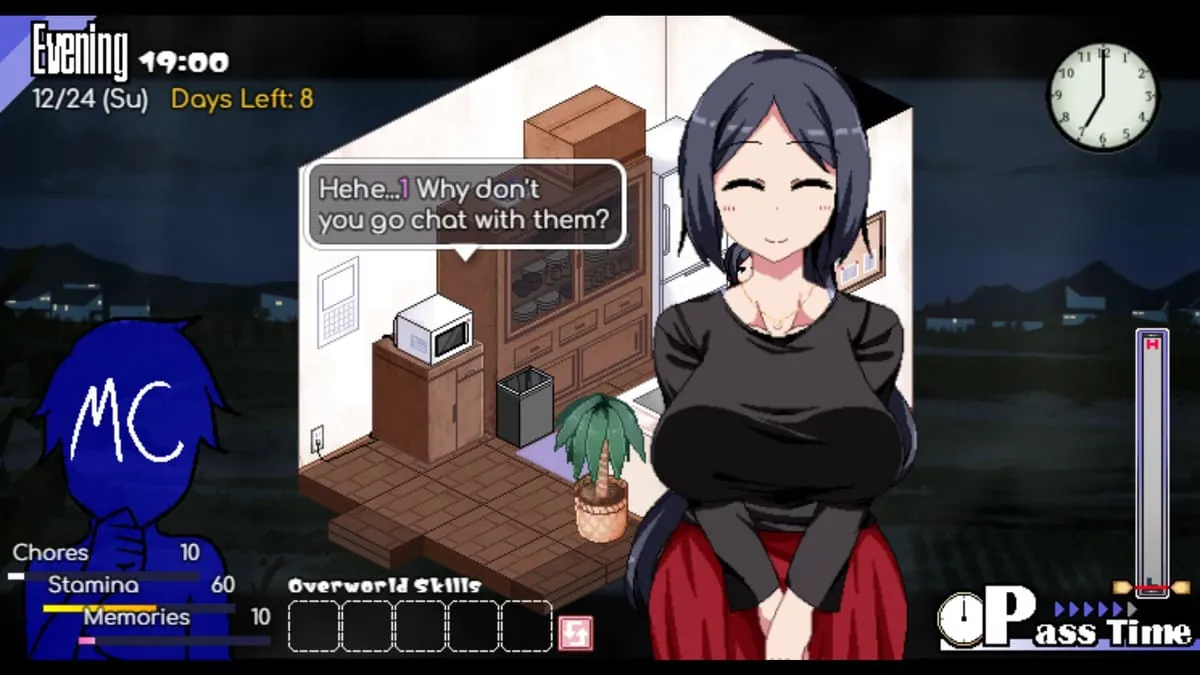
Reluctant Archon Screenshots








Reluctant Archon review
Explore branching storylines, character relationships, and immersive gameplay mechanics
Reluctant Archon stands out as a narrative-driven experience that combines fantasy worldbuilding with player choice mechanics. Developed by Kyois, this interactive adventure places you in the role of the youngest member of the Ashall Family, a lineage of powerful sorcerers and spellweavers. After a conflict with your father forces you to leave your sheltered existence, you step into a hidden world where deities walk among humans and mythological creatures exist in plain sight. The game’s sophisticated branching story system ensures that your decisions genuinely matter, creating multiple distinct playthroughs and encouraging exploration of different character paths and relationship outcomes.
Understanding Reluctant Archon’s Core Gameplay Systems
Ever feel like you’re just watching a story unfold, your controller or mouse clicks doing little more than turning the page? 🙄 You pick a dialogue option, but it doesn’t really change anything. You manage a few resources, but it feels disconnected from the characters you meet. I’ve been there, and it’s why I was so intrigued when I first booted up Reluctant Archon. This isn’t just a visual novel with tacked-on management, or a strategy game with shallow relationships. It’s a delicate, interwoven tapestry where every choice, from a royal decree to a whispered compliment, truly reshapes your world.
At its heart, the Reluctant Archon gameplay mechanics are built on four pillars that feed into each other, creating a living, breathing realm that reacts to your leadership—and your heart. Let’s pull back the curtain on these systems and see how they make every playthrough uniquely yours.
How the Branching Story Framework Creates Unique Playthroughs
The magic of Reluctant Archon isn’t just that your choices matter—it’s how they matter. This isn’t a game of good vs. evil morality points. Instead, your decisions craft a complex narrative fingerprint based on your reputation, your alliances, and the hearts you’ve touched (or broken). The branching story choices here are consequential, often closing doors permanently while swinging others wide open.
Early on, I faced a classic Reluctant Archon dilemma: a border skirmish with a nomadic clan. I could send the royal guard to crush them (Ruthless path), broker a tense trade agreement (Diplomatic path), or personally investigate, discovering they were fleeing a greater evil (Just path). My choice didn’t just resolve a conflict; it determined which characters would even speak to me later, which factions offered aid, and which story missions appeared on my map. Choosing the “Just” path unlocked an entire questline with the clan’s fierce leader, a potential companion I would have never met otherwise. That’s the power of its story branching paths—they’re not diverging from a main road; they’re building entirely different roads.
Your reputation becomes the lens through which the story is told. Earn a reputation as a “Just” ruler, and commoners will petition you for aid, opening stories of injustice to rectify. Be seen as “Ruthless,” and you’ll be approached by spies and assassins, offering darker solutions to your problems. These reputations aren’t just titles; they are keys that unlock specific story branching paths and scripted events. A “Ruthless” Archon might be invited to a shadowy council plotting a coup, while a “Benevolent” one would only hear rumors of it.
This framework creates immense replay value. In one playthrough, you might focus on a single, deep romance, making choices that please one character but alienate others. In another, you could play the pragmatic leader, balancing affections to maintain political stability—a true realm management game of the heart. Or, you might embrace the chaos of harem building, navigating jealousy and conflicting personal quests. The game remembers everything, and the character relationship system is the ledger.
My Tip: Don’t save-scum your first playthrough! The tension of living with your decisions is where the Reluctant Archon narrative truly shines. Embrace the unexpected consequences.
Here are just a few key decision points that can send your story in wildly different directions:
- The Succession Crisis: Do you support the rightful but inexperienced heir, or the cunning, illegitimate sibling who promises strength? This early choice defines your primary political allies and enemies for the entire game.
- The Plague Quarter: Do you quarantine the district to save the realm (losing the trust of its people), risk everything to find a cure (a dangerous personal quest), or use it as a tragic opportunity to weaken a rival faction? This affects resource availability, companion loyalty, and which endings are even possible.
- A Companion’s Secret: When you discover a trusted ally has been hiding a dangerous past, do you confront them publicly, privately, or ignore it? This single dialogue tree choice can turn them into a devoted lover, a bitter enemy, or even a tragic casualty later on.
Realm Management and Character Interaction Mechanics
This is where the Reluctant Archon gameplay mechanics fuse together seamlessly. Your throne room and the palace gardens are two sides of the same coin. Each day, you cycle through two core activities: managing your realm and deepening personal bonds. It’s a brilliant loop—the weight of your royal decisions makes the personal moments of connection feel like a vital respite, and those personal connections give you stronger motivations (and tools) for ruling.
Realm Management is your strategic layer. You’ll review petitions, allocate limited resources (gold, grain, military strength), pass decrees, and resolve disputes. But here’s the twist: every administrative choice is also a character relationship system test. Allocate funds to rebuild the library, and the scholarly mage in your court will glow with approval, her Affection Score ticking upward. Deny the military’s request for a new barracks, and the gruff General might storm out of your next private meeting. The realm management game aspects directly feed the dialogue tree choices you have available later. Keep the merchants happy, and you’ll have the gold to buy a rare gift for a love interest. Side with the church, and you may find your romantic options with certain free-thinking companions suddenly limited.
Character Interaction is where the story comes alive. Through nuanced dialogue tree choices, you’ll learn about your companions’ hopes, fears, and secrets. This isn’t just about picking the “nice” option. You must listen, remember details, and respond in ways that align with their personality. The stoic bodyguard respects direct, logical arguments, while the poetic artist is moved by metaphor and emotion. Getting it right builds their Affection Score and unlocks their personal quests—multi-part stories that are among the most rewarding in the game. Completing these quests doesn’t just net you an ally; it can fundamentally change that character’s role in the main narrative.
The glue between these phases is the game’s stunning presentation. ❤️ High-fidelity visuals make every character expressively alive—a slight frown, a hopeful glance, a proud stance. Smooth animations during discussions make these interactions feel tangible, not just static portraits exchanging text. When you see a character’s face light up because you remembered their favorite wine from a conversation three hours ago, it validates the entire interconnected design.
To see how this daily loop works, here’s a breakdown of the four core gameplay phases:
| Phase | Primary Activity | Impact on Story & Relationships |
|---|---|---|
| Realm Management | Issuing decrees, allocating resources, resolving political/civil disputes. | Builds/Lowers Faction support; Sets Reputation (Just, Ruthless, etc.); Unlocks or locks major story events; Affects resources available for gifts/dates. |
| Character Interaction | Conversations through dialogue trees, giving gifts, participating in companion activities. | Raises/Lowers individual Affection Scores; Unlocks personal quests and romantic scenes; Reveals backstory and secret motivations that influence main plot. |
| Seduction Challenges | Special gameplay sequences during key romantic advances. | Critical checkpoints for romantic paths; Success deepens intimacy and unlocks exclusive content; Failure can damage the relationship or alter its dynamic. |
| Event Exploration | Playing through scripted narrative events, making major plot decisions. | Directly advances the main plot on chosen branching path; Presents major, often irreversible, branching story choices; Resolves companion questlines. |
Seduction Challenges and Relationship Development
Let’s talk about romance. In many games, “romance” is a simple checklist: give gift, say compliment, watch scene. Reluctant Archon treats it as a sophisticated seduction mechanics game woven into its core systems. Pursuing a relationship is a series of deliberate choices, invested time, and understanding a character’s unique desires.
The character relationship system tracks more than just a simple “love” meter. Each companion has an Affection Score that measures their personal regard for you, but also hidden flags for trust, respect, and passion. Your dialogue tree choices and actions feed these flags differently. You might have high affection with the cunning spymaster because you share a ruthless pragmatism (building respect), but if you never engage with her vulnerable side (failing to build trust), a true romantic conclusion may remain out of reach.
The seduction mechanics game truly comes to the fore during key moments. Imagine you’ve built a rapport with the elusive celestial diplomat. After a tense council meeting, you find them stargazing on a balcony. This triggers a “Seduction Challenge”—a multi-stage interaction that tests how well you know them. You’ll be presented with a series of choices, not just about what to say, but how to say it, and what actions to take. Do you engage in witty debate about constellations (appealing to their intellect), offer a shared cloak against the chill (showing practical care), or make a bold, poetic declaration (appealing to their hidden romanticism)?
Success in these challenges, which requires prior knowledge gained through attentive conversations, leads to breathtakingly animated, intimate scenes that feel earned. Failure isn’t necessarily a game-over; it might shift the relationship to a deep, platonic friendship, or create a complicated, tense dynamic full of unresolved feelings. This makes every romantic path a compelling story branching path in its own right.
These relationships are also deeply political. 🔥 Courting the head of the merchant guild will bring economic boons but draw suspicion from the nobility. A romance with a foreign ambassador could secure a powerful alliance or be seen as treason. The game doesn’t silo your “management” self from your “romantic” self. They are one and the same, and the realm’s gossip mill will remind you of that constantly.
Ultimately, understanding Reluctant Archon’s core systems is understanding that every part of this world is connected. The realm management game fuels the character relationship system, which guides your dialogue tree choices, which determines your success in the seduction mechanics game, all of which steer the grand, personal saga of your story branching paths. It’s a masterpiece of interactive storytelling where you’re not just making choices for an ending—you’re architecting a legacy, one relationship, one decree, and one heartfelt conversation at a time. The true Reluctant Archon gameplay mechanics are the mechanics of consequence, and they ensure that no two rulers will ever have the same tale to tell.
Reluctant Archon delivers a compelling experience that merges fantasy storytelling with meaningful player agency. The game’s sophisticated systems—from realm management to character relationships—work together to create a world where your decisions genuinely shape the narrative. Whether you’re drawn to the intricate branching storylines, the high-quality visuals and animations, or the deep character interactions, Reluctant Archon offers substantial replay value through its multiple distinct playpaths. The combination of strategic gameplay elements and intimate character development creates an immersive experience that rewards exploration and experimentation. If you’re interested in narrative-driven games where your choices matter and relationships evolve based on your decisions, Reluctant Archon provides the depth and complexity that modern players seek.