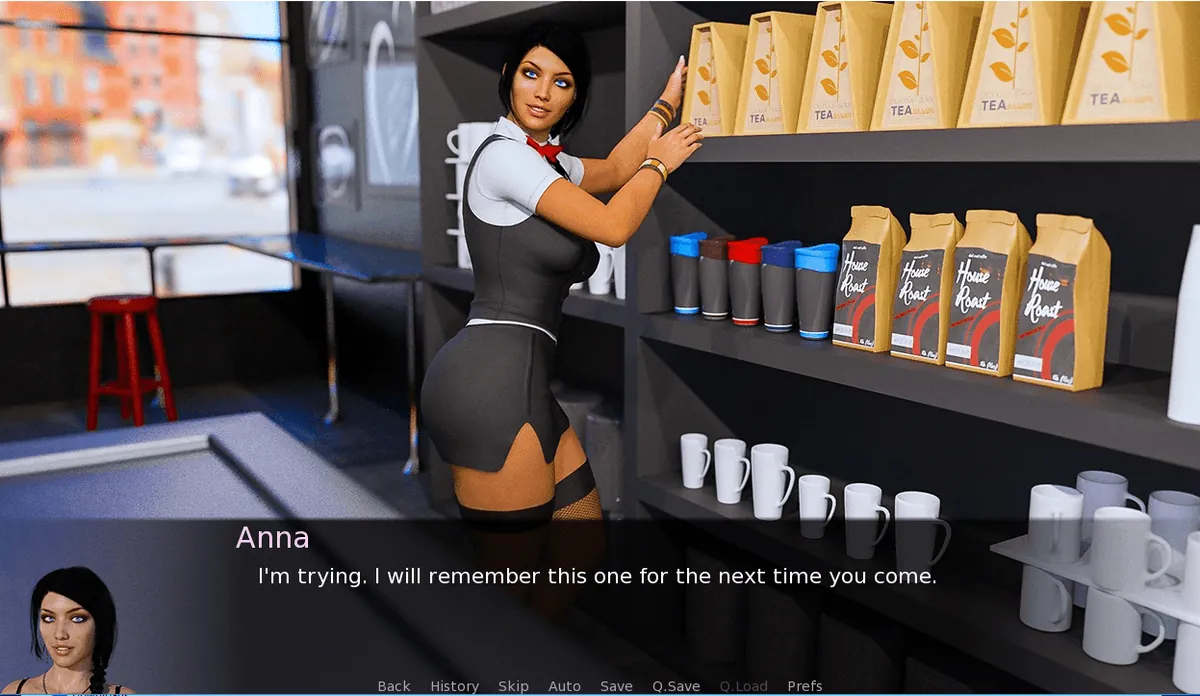
Workplace Fantasy Screenshots
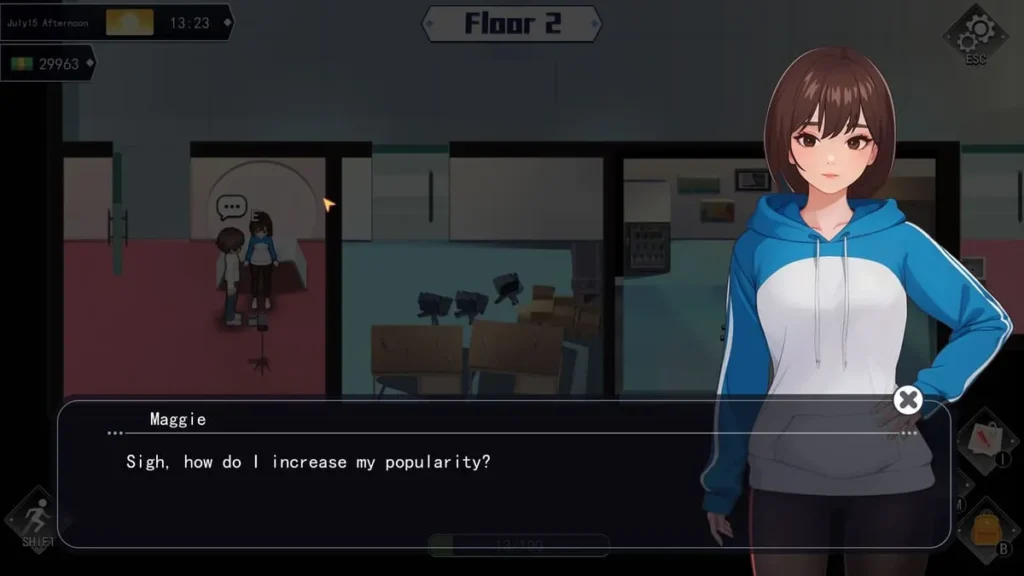
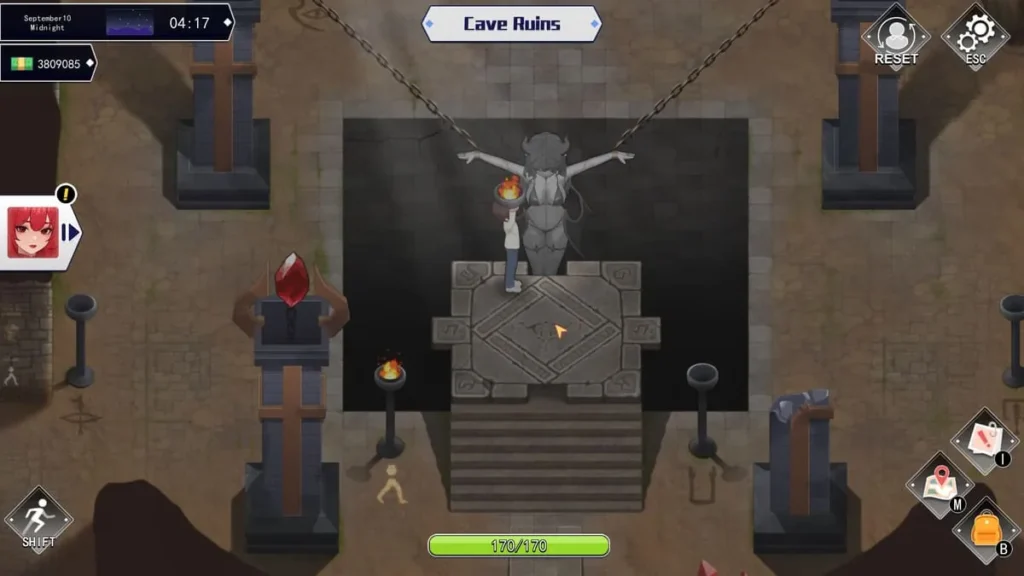






Workplace Fantasy review
Discover the immersive storytelling, character interactions, and strategic gameplay that make this adult RPG a standout title
Workplace Fantasy stands out as a captivating adult-themed RPG that seamlessly blends fantasy elements with workplace dynamics. Developed by HappyCreator and released in 2023, this interactive game has garnered significant attention for its immersive storytelling, vibrant visuals, and choice-driven narrative. Whether you’re drawn to the engaging gameplay mechanics, diverse character roster, or the unique premise of balancing corporate life with supernatural adventures, Workplace Fantasy delivers a rich experience that rewards exploration and replayability. This comprehensive guide explores everything you need to know about the game’s core features, gameplay systems, and what makes it a must-play for fans of narrative-driven experiences.
Gameplay Mechanics and Core Features That Define Workplace Fantasy
Ever feel like your daily grind is missing… well, magic? ✨ That was me before I dove headfirst into Workplace Fantasy. I went in expecting a cheeky office simulator and came out utterly captivated by a world where filing TPS reports and uncovering ancient supernatural conspiracies are two sides of the same coin. What makes it all click? A masterful blend of pressure and possibility, where every single choice you make truly matters. This isn’t just a game you play; it’s a story you author with every interaction, task, and whispered secret in the break room.
Let’s pull back the curtain on the brilliant Workplace Fantasy gameplay mechanics that transform a simple premise into an addictive, deeply personal experience.
Understanding the Choice-Driven Narrative System
At its heart, Workplace Fantasy is powered by a choice-driven narrative system that is nothing short of revolutionary for an interactive storytelling game. Forget about binary good/evil decisions. Here, your dialogue choices impact the story in subtle, compounding ways, shaping your reputation, your allies, and the very fate of the corporation—and the hidden magical world entwined with it.
The game presents you with a web of possibilities from the moment you create your character. Are you the ambitious climber, the curious investigator, or the reluctant hero just trying to get through the quarterly review? Your chosen demeanor opens and closes doors from the start. I learned this the hard way on my first playthrough. I played it safe, always choosing the most professional, corporate-friendly options. I got a promotion, sure, but I completely missed the shadowy magical faction war brewing in the IT department because I never built enough trust with the quirky sys-admin to unlock those conversations. 😅
This is where the game’s genius shines. Major plot branches aren’t triggered by one big choice, but by a series of small, seemingly innocuous decisions. Did you help Margo from Accounting with her spreadsheet demon? Did you cover for your supervisor when they were late after a “lycanthropic episode”? Each of these moments builds affinity, unlocks new dialogue trees, and gradually steers you toward entirely different narrative climaxes.
Pro Tip: Your character’s internal monologue is your best guide. Pay close attention to the thoughts that pop up; they often hint at the deeper consequences of your available choices.
To illustrate, let’s look at a real playthrough example:
- Path A: The Corporate Spy. I focused solely on career metrics. I schmoozed with management, uncovered evidence of financial fraud by a rival department head, and used it to secure a VP position. My story became a tense thriller of corporate espionage, complete with hidden emails and late-night data breaches. The fantasy elements remained mere background rumors I never fully engaged with.
- Path B: The Arcane Archivist. In another save, I ignored promotion tracks and spent my time helping the oddball Research & Development team. This led to discovering a forgotten archive of magical artifacts in the sub-basement. My story transformed into a mystical adventure, protecting ancient relics from a cult operating within the sales team. My corporate performance was middling, but my magical prowess grew.
This dialogue choices impact story design is the core of the game’s incredible Workplace Fantasy replayability. You’re not just replaying to see a different cutscene; you’re exploring a fundamentally different job and a different world.
Balancing Work Tasks with Fantasy Adventures
So, how do you juggle spreadsheets and spellbooks? This balance is the core gameplay loop, and it’s brilliantly executed. Each in-game day presents you with a limited resource: time. You must split it between mandatory work tasks (meetings, deadlines, projects) and pursuing your personal/magical interests (building relationships, investigating mysteries, completing side quests).
It’s a constant, delicious tension. Do you stay late to perfect that client presentation for a career bonus, or do you slip away to meet an informant in the magical black market that operates out of the unused conference room? The game never forces you to pick one over the other entirely, but it does make you live with the trade-offs. Neglect your job, and you’ll get reprimanded, miss promotions, or even get fired—which can actually lead to its own unique, desperate-storyline game over! Neglect the fantasy plot threads, and the supernatural threat will grow unchecked, leading to more dangerous and chaotic endgame scenarios.
This loop creates a rhythm that is incredibly addictive. You start your morning checking your work email (which might contain a coded message from a magical ally), attend a team sync, then use your lunch break to discreetly research arcane symbols in the company’s historical records. The Workplace Fantasy gameplay mechanics of time management make every action feel significant. There’s no filler.
The professional and magical systems directly influence each other. Gaining a promotion might grant you keycard access to restricted floors where magical anomalies are concentrated. Conversely, using a minor charm spell to boost your charisma in a negotiation can have unforeseen consequences, like attracting the attention of a corporate ethics officer who is also a witch-hunter. 🕵️♀️🔮
Here’s a breakdown of how different types of in-game interactions feed into this core loop:
| Interaction Type | Primary Impact | Common Rewards |
|---|---|---|
| Professional | Boosts Career Performance Meter, influences manager opinion, unlocks corporate storylines. | Promotions, salary increases, access to high-level meetings/files, corporate allies. |
| Romantic/Personal | Deepens individual Workplace Fantasy character relationships, reveals personal backstories and quests. | Loyal allies, personal side stories, unique skills or items, emotional support in crises. |
| Adversarial/Secretive | Advances magical/fantasy plotlines, uncovers company secrets, can create enemies. | Magical artifacts, forbidden knowledge, alliance with hidden factions, progress toward Workplace Fantasy secret endings. |
Character Development and Relationship Progression
The soul of any great interactive storytelling game is its cast, and Workplace Fantasy delivers a stunning array of complex, multi-layered characters. From your stoic boss who may be hiding a heroic past to the perpetually cheerful intern who might be a faerie in disguise, everyone has depth. Building Workplace Fantasy character relationships is the most rewarding and intricate system in the game.
Relationship progression isn’t just about picking “nice” dialogue options. It’s about consistency, shared experiences, and paying attention. Each character has a set of core values (Ambition, Integrity, Curiosity, Compassion, Skepticism). Your actions and choices around them either align with or challenge these values. Agreeing with a character’s cynical view of management might build rapport with them, while simultaneously lowering your standing with a more idealistic colleague.
The game uses a brilliant “trust and knowledge” dual-layer system. You can increase your social “trust” level with someone by helping them and being reliable. Separately, you gain “knowledge” about them by observing their habits, finding their personal items, or learning about them from others. Unlocking a new level of knowledge often opens up new, more personal dialogue options that can then further increase trust. It feels organic and real.
For example, with Elara from R&D, I first built trust by volunteering for her chaotic experimental projects. This got me to “Trust Level 2: Reliable Assistant.” Then, I found an old, annotated copy of a mythological text in the library with her name in it. When I mentioned it to her, it triggered a unique conversation about her family’s history with magic, skyrocketing my “Knowledge” of her and unlocking the option to ask for her help with ancient translations. This depth makes every friendship, rivalry, or romance feel earned and meaningful.
These relationships are the primary keys to the game’s vast Workplace Fantasy replayability and its most coveted Workplace Fantasy secret endings. Perhaps the most whispered-about ending involves achieving a perfect synchronicity between the corporate and magical boards of directors, which requires maxed-out relationships with specific characters in both worlds and a series of perfectly timed decisions across the entire game. It’s not about a single “right” choice, but about cultivating a web of influence and loyalty so strong it can reshape reality itself.
Your character’s own development is equally nuanced. You don’t have a traditional level-up system. Instead, you grow through the skills you practice and the knowledge you acquire. Spend time analyzing data, and your “Analytical” skill will grow, giving you new options in puzzles and meetings. Practice covertly observing your colleagues, and your “Perception” skill might let you spot a hidden magical aura. Your progression is a direct reflection of how you choose to spend your time, making your character feel uniquely yours.
Ultimately, the Workplace Fantasy gameplay mechanics are designed to honor your agency. Every meeting attended, every secret shared, and every risk taken weaves into the tapestry of your own unique story. It proves that the most compelling adventures aren’t always in distant lands—sometimes, they’re waiting for you just past the elevator doors, in the hum of fluorescent lights and the rustle of paperwork, if you’re brave enough to look closer. The promise of another story, another path, another shocking secret ending is what will keep you coming back to your desk, game after game. 🎮💼
Workplace Fantasy delivers a compelling blend of fantasy and workplace themes that sets it apart in its genre. The game’s strength lies in its combination of immersive storytelling, meaningful player agency, and strategic gameplay mechanics that reward exploration and experimentation. From the stunning HD visuals and diverse character roster to the non-linear narrative structure and multiple storyline paths, every element contributes to a rich, replayable experience. Whether you’re drawn to the relationship-building aspects, the supernatural mysteries, or the strategic progression systems, Workplace Fantasy offers something for players seeking depth beyond surface-level content. The game’s attention to detail in both storytelling and visual design creates a world worth revisiting multiple times to uncover all its secrets and hidden endings. If you’re looking for an adult-themed RPG that prioritizes narrative depth and player choice, Workplace Fantasy stands as a must-play title that justifies its dedicated fan community and positive reception.