Short Sad Stories
Play Short Sad Stories
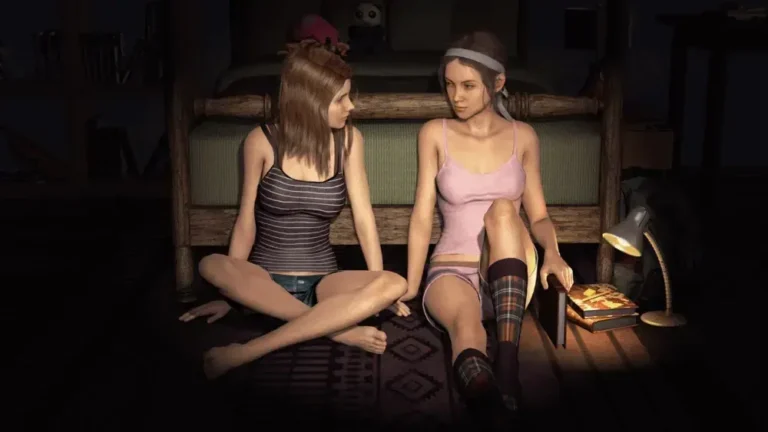
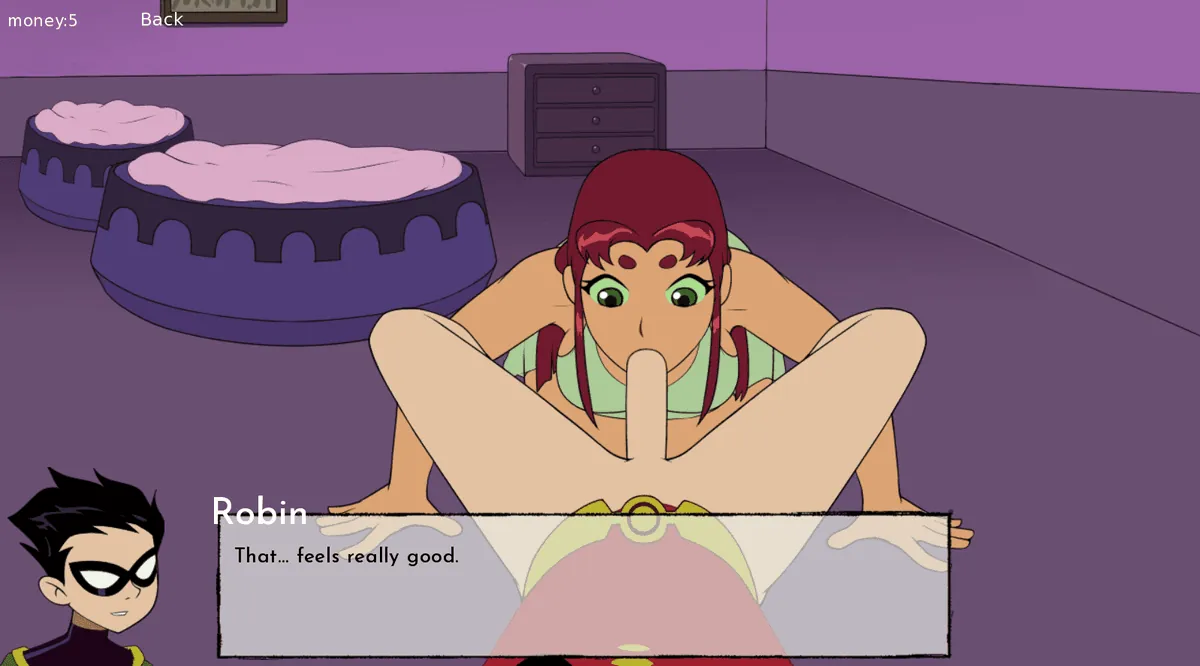
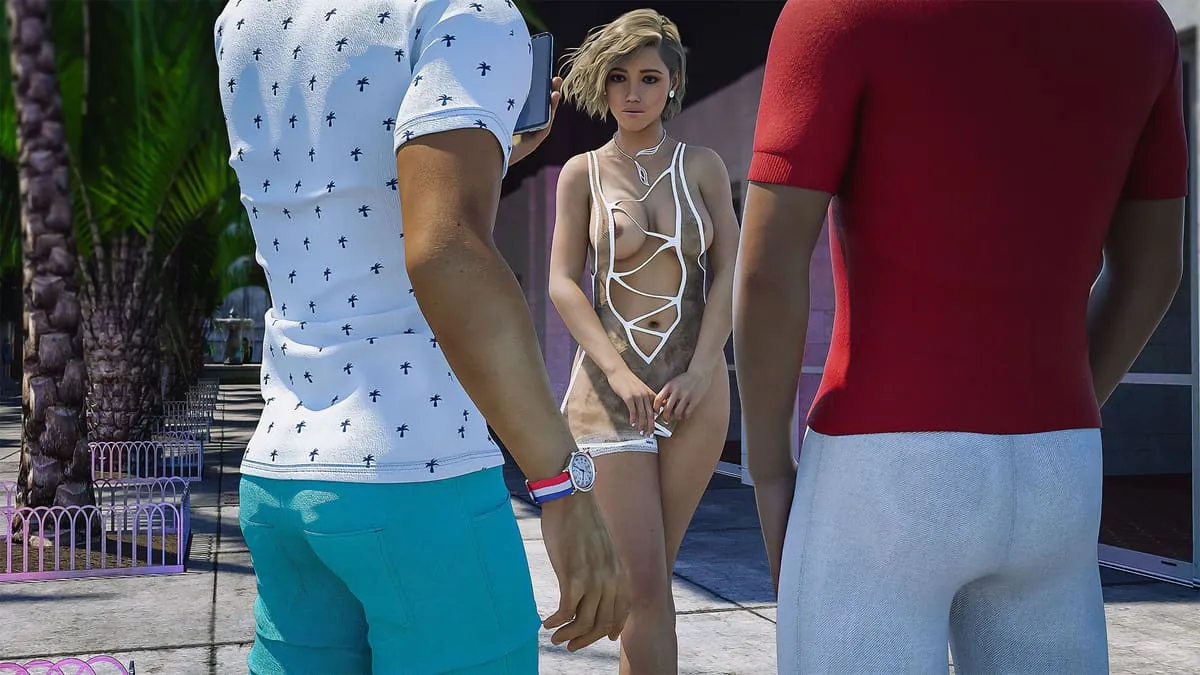
Short Sad Stories Screenshots


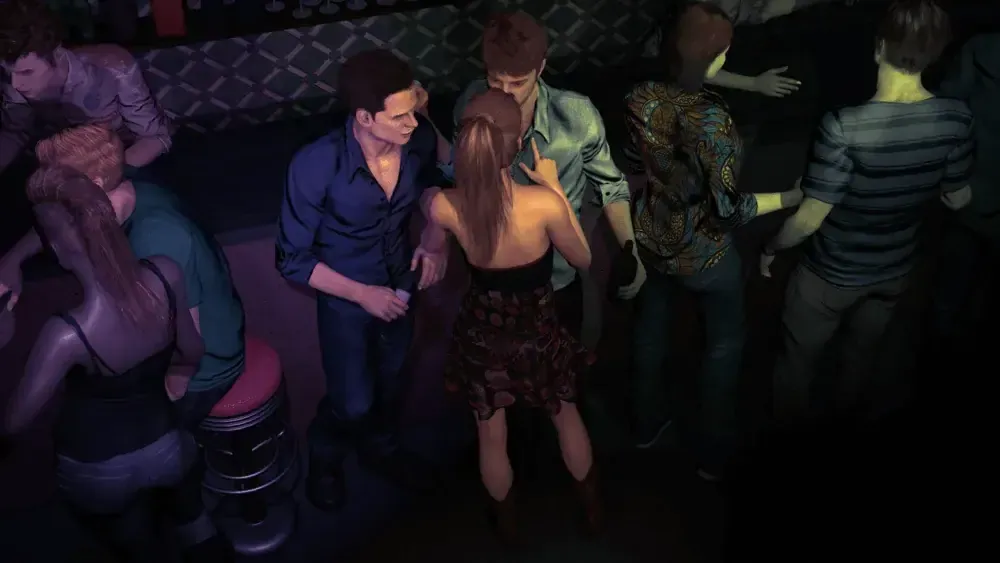
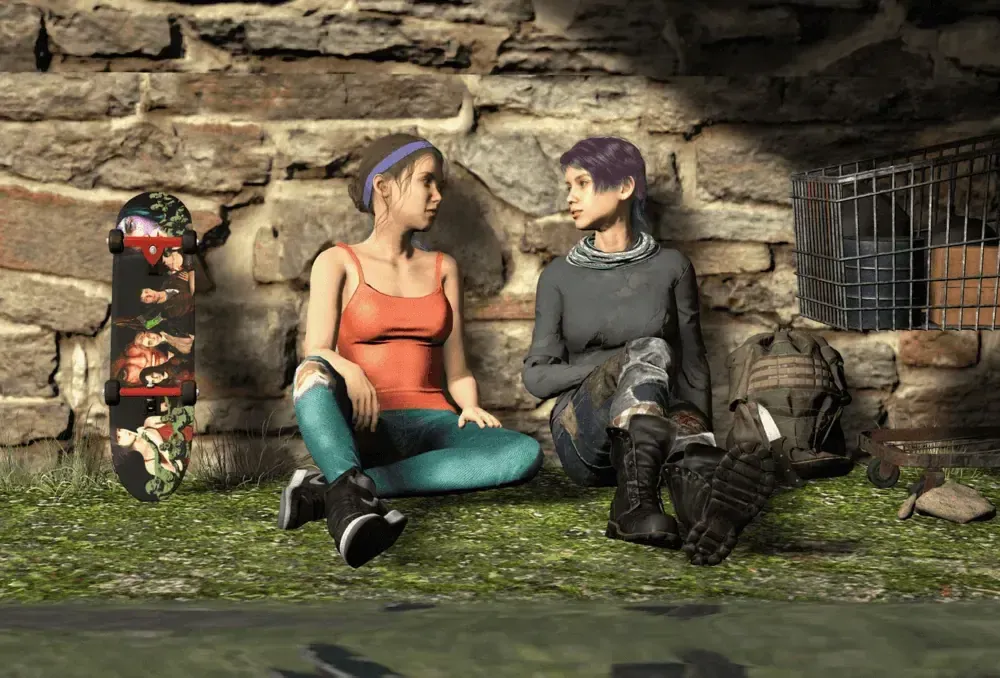
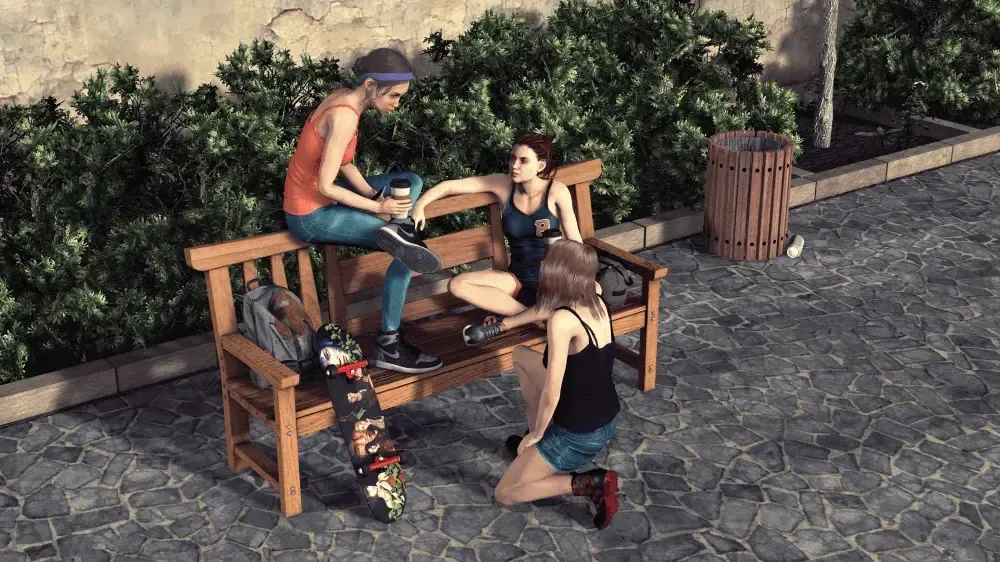
Short Sad Stories review
Exploring the intertwined narratives and emotional depth of this indie visual novel experience
Short Sad Stories stands out as a compelling visual novel that weaves together the lives of young adults facing unexpected challenges and complex emotional situations. This indie title has garnered attention for its narrative-driven approach and willingness to explore difficult themes through interconnected storytelling. Whether you’re a visual novel enthusiast or someone curious about narrative-driven games, understanding what makes Short Sad Stories unique can help you decide if this experience aligns with your interests. The game presents multiple perspectives and intertwined storylines that create a rich tapestry of human experience, making it a notable entry in the visual novel genre.
Understanding Short Sad Stories: Narrative Structure and Gameplay
You’re scrolling through your game library, maybe a little tired of the same epic quests and high-stakes battles. You want something that feels real, something that hits differently. That’s where Short Sad Stories finds you. It’s not about saving the world; it’s about navigating the quiet, messy, and profoundly human moments that break and mend us. As an indie visual novel, it carves out a unique space, trading grandeur for intimacy and power for vulnerability. This chapter will pull back the curtain on what makes this experience so special, from its intricate visual novel narrative structure to the delicate way your choices shape its heart.
If you’ve ever wondered how do visual novels work and why this one feels so distinct, you’re in the right place. We’re going to explore the gears and pulleys behind the emotional machinery.
What Makes Short Sad Stories Different From Other Visual Novals
At first glance, you might slot it into the same category as other story-driven games. But fire it up, and the difference is immediate. Mainstream visual novels often revolve around a single protagonist’s journey, with branching paths leading to different romantic partners or definitive endings. Short Sad Stories throws that blueprint out the window. 😮
Instead of one linear tale, it presents a tapestry of seemingly separate lives. You’ll step into the shoes of multiple young adults, each grappling with their own unexpected dilemma—a sudden loss, a fractured friendship, a personal failure that feels world-ending. The genius lies in its restraint and its focus. These aren’t 50-hour sagas; they are sharp, focused vignettes of life at its most raw. The indie visual novel gameplay here is less about “winning” a route and more about witnessing, understanding, and feeling.
Here’s a quick list of what defines its core experience:
- A Multi-Perspective Anthology: You play as several characters, not just one. This design is fundamental to its emotional and narrative impact.
- Intertwined Destinies: The characters’ lives intersect in subtle, often heartbreaking ways. A throwaway line in one story might be the central tragedy in another.
- Emotional Authenticity Over Escapism: The game seeks to reflect real emotional struggles rather than provide a fantasy. The “sad” in the title is a promise of genuine, cathartic storytelling.
- Minimalist, Choice-Driven Interaction: Your role is primarily to listen and choose dialogue responses. There are no puzzles or action sequences to pull you out of the moment.
- Atmosphere as a Character: The art and soundtrack are crafted to immerse you in a specific, melancholic mood that binds every story together.
This approach makes it a standout title for fans of emotional storytelling games. It asks for your empathy, not your reflexes. By fragmenting the narrative across different eyes, it creates a richer, more complex picture of its world—a world that feels hauntingly familiar.
The Interconnected Story Format and Character Development
This is where Short Sad Stories truly shines and earns its title as a masterclass in interconnected character stories. The narrative doesn’t just jump from one person to the next randomly. It’s carefully woven, like a literary novel where chapters focus on different members of a community. You start with Alex, a barista reeling from a bad breakup, who serves coffee to a distracted woman named Sam. Sam’s chapter then reveals she’s anxiously awaiting test results at a hospital. The doctor she sees? That’s Dr. Chen, whose own story you’ll explore later, burdened by a recent misdiagnosis.
This structural choice is revolutionary for character-driven narrative games. You don’t just learn about a character from their own internal monologue; you see them through the eyes of others. The grumpy neighbor in one story becomes a grieving widower in his own. The “villain” of one arc is revealed to be a scared, desperate person in another. This forces you, the player, to constantly re-evaluate your judgments and empathize on a deeper level.
A Personal Insight: On my first playthrough, I found myself frustrated with a character named Leo, who seemed selfish and dismissive in another character’s storyline. When his chapter began, I was ready to dislike him. But living through his day—his mounting debt, his fear of failing his family—completely reframed his earlier actions. I didn’t necessarily agree with him, but I understood him. That moment of cognitive and emotional shift is the game’s greatest power.
Let’s look at an example of how this web creates emotional impact:
The Ripple Effect of a Single Event:
| Character | Their Central Struggle | How They Intersect with Others |
|---|---|---|
| Maya | Guilt over a car accident she caused. | Her victim is the brother of another protagonist, Elena. You see Maya’s story first as one of isolated shame. |
| Elena | Grief and anger while caring for her injured brother. | Her chapter reveals the human cost of Maya’s accident. The “faceless victim” from Maya’s story now has a name, a life, and a family in chaos. |
| David (The Brother) | Confronting a sudden disability and loss of independence. | His storyline explores the long-term consequences, tying the emotional threads of both women into his personal journey of adaptation. |
This method of storytelling means character development happens on two levels: within their own arc, and in the space between arcs as your perception of them evolves. The game’s visual novel narrative structure is its primary tool for building this profound sense of interconnectedness and consequence.
Gameplay Mechanics and Player Choices
So, how do visual novels work in practice, especially one like this? If you’re new to the format, think of it as a “choose-your-own-adventure” book brought to life with stunning art, music, and voice acting. You read the narrative text, which sets the scene and delivers internal thoughts. When characters speak, you see their sprites (character images) express emotions. The primary interaction comes through visual novel dialogue choices.
In Short Sad Stories, these choices are deceptively simple. You won’t often see clear “Good vs. Evil” options. Instead, you’re presented with different tones, perspectives, or levels of emotional openness. 🎭
For example, when consoling a friend, you might choose between:
* “This really sucks. I’m so sorry.”
* “Do you want to talk about it, or just sit here?”
* “I brought your favorite snacks.”
None of these are “wrong,” but they steer the conversation’s intimacy and, subsequently, the relationship’s trajectory. The indie visual novel gameplay here is subtle. Your choices might:
* Deepen or distance a relationship: Affecting what characters confide in you later.
* Unlock unique scenes: Revealing hidden aspects of a character’s life based on your rapport.
* Alter the story’s finale: Not in a “good ending/bad ending” way, but by shaping the emotional resolution or the future of certain relationships.
The pacing is deliberately slow, inviting reflection. The game understands that silence and stillness are parts of the story. You’ll sit through a character’s long bus ride home, the quiet of an empty apartment, or an awkward pause in a conversation. These moments aren’t filler; they’re where the emotional weight settles.
Here’s a breakdown of a typical interaction flow:
| Gameplay Phase | What Happens | Player’s Role & Impact |
|---|---|---|
| Narrative Setup | Text describes the setting, time, and character’s internal mood. Music and background art establish the tone. | You absorb the atmosphere. No direct choice, but you are being emotionally positioned. |
| Dialogue Exchange | Other characters speak. The protagonist’s potential responses appear on screen. | You select a **visual novel dialogue choice**. This is your main agency, shaping the character’s personality and relationships. |
| Consequence & Pacing | The story continues based on your choice. The narrative may slow for a reflective moment or a change in the soundtrack. | You witness the immediate reaction and feel the longer-term narrative shift. The pacing lets you sit with the emotion. |
This mechanics loop makes Short Sad Stories a pinnacle of emotional storytelling games. It removes traditional game distractions to laser-focus on empathy and consequence. You’re not playing to see a credits roll; you’re playing to understand a set of human experiences. The visual novel narrative structure, built on these seemingly small visual novel dialogue choices, proves that the smallest words can carry the greatest weight, making every interaction a meaningful step through its beautifully sad, interconnected world. 😔➡️💡
Ultimately, Short Sad Stories uses the tools of the visual novel not for escapism, but for connection. It demonstrates that the most compelling journeys are often the internal ones, and that our stories are never truly our own—they’re threads in a larger, shared fabric of experience.
Short Sad Stories represents a meaningful entry in the visual novel landscape, offering players a chance to engage with complex narratives and emotionally resonant storytelling. The game’s focus on interconnected character arcs and unexpected life challenges creates an experience that lingers with players long after completion. For those interested in narrative-driven games that prioritize emotional depth over action, Short Sad Stories delivers a thoughtful exploration of how young adults navigate life’s difficulties. If you’re considering diving into this visual novel, approach it with an openness to emotional complexity and a willingness to engage with multiple perspectives. The game rewards players who appreciate character development and meaningful storytelling choices.