Summer’s Gone
Play Summer’s Gone
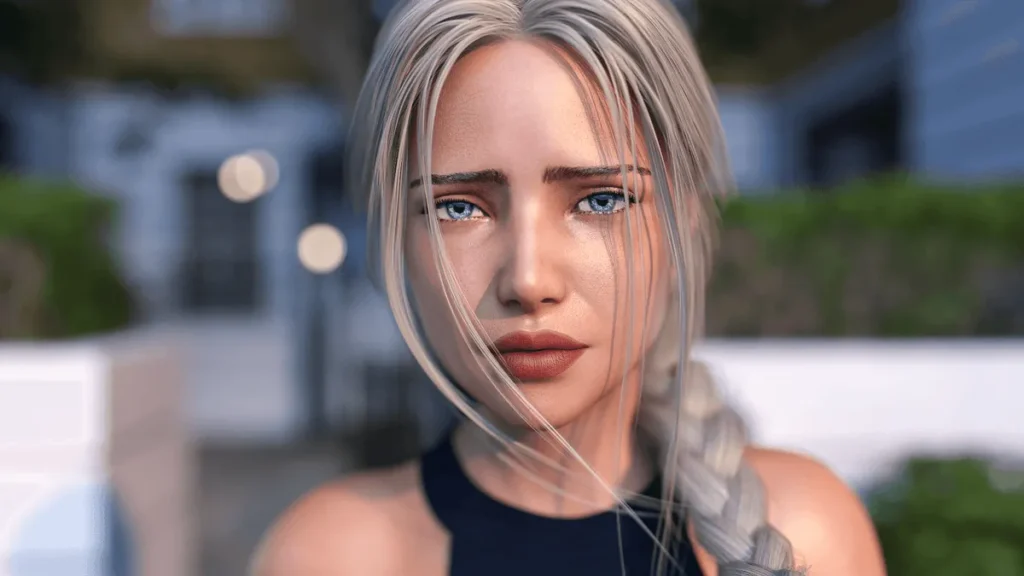
Summer’s Gone Screenshots














Summer’s Gone review
Explore Healing, Romance, and Deep Stories in This Adult Gem
Imagine diving into a world where loss lingers like a summer sunset, but hope flickers just beyond the horizon. That’s ‘Summer’s Gone,’ the captivating adult visual novel that’s got me hooked from the first scene. As a guy reeling from childhood trauma, you step into college life, unraveling mysteries while building intense relationships. This isn’t just a game—it’s a journey through depression, love, and self-discovery. With its slow-burn romance and rich characters, ‘Summer’s Gone’ blends emotional depth with subtle adult thrills. I’ve replayed Season 1 multiple times, and let me tell you, those choice-driven paths hit different every time. Ready to uncover why it’s a must-play?
What Makes Summer’s Gone a Standout Visual Novel?
I remember the exact weekend I first clicked play on Summer’s Gone visual novel. 😔 It was a rainy afternoon, and I was feeling pretty low, scrolling through endless games that promised instant action or cheap laughs. Nothing felt right. Then I found this one. The description talked about a broken protagonist and a slow path to healing. Skeptical but intrigued, I gave it a shot. What unfolded wasn’t just a game—it was an experience that mirrored my own need for a quiet, thoughtful story. It’s this unique focus on healing and emotional depth that makes this title a standout gem in the visual novel world. If you’re tired of shallow stories and crave something with real heart, you’ve come to the right place. Let’s explore what makes the Summer’s Gone story so profoundly different.
Why Dive into This Story of Loss and Healing? 🤔💔
So, what is Summer’s Gone game really about? At its core, it’s an interactive slice-of-life journey that begins in the aftermath of profound trauma. You step into the shoes of a young man starting college, but he’s not your typical, eager freshman. He’s hollow, haunted by the childhood loss of his first love, a tragedy that has left him emotionally isolated and adrift. The Summer’s Gone story doesn’t throw you into epic battles or supernatural mysteries; instead, it immerses you in the quiet, often painful process of picking up the pieces.
The game’s brilliance lies in its commitment to this premise. This isn’t a story where the protagonist “gets over it” in a few scenes. The visual novel healing themes are woven into every interaction, every memory, and every moment of silence. As you guide him through new friendships and potential romances, you’re also navigating his trauma recovery. You’ll confront his feelings of depression, shame, and isolation head-on, making choices that can either help him open up or reinforce his walls. The world-building supports this perfectly—from the melancholic beauty of its environments to a soundtrack that amplifies every emotional beat. It’s a brave choice for a narrative, focusing on internal struggle over external conflict, and it pays off with incredible authenticity.
How Mental Health Themes Reshape Your Gameplay 🧠❤️🩹
This is where Summer’s Gone truly separates itself from the pack. The Summer’s Gone mental health focus isn’t just a backdrop; it’s the engine of the entire interactive experience. Your choices don’t just determine who you date—they actively shape the protagonist’s personality and his path toward healing. 🛤️
Early on, you’re faced with a pivotal choice. At a social gathering, a character tries to draw you out of your shell with some dark humor. You can choose to:
1. Retreat further, offering a cold, dismissive response.
2. Engage cautiously, testing the waters of a connection.
3. Match the humor, using wit as a shield.
I chose to engage cautiously. This single decision didn’t just affect that conversation; it began a subtle shift in how other characters perceived my willingness to connect, opening up dialogue options later that would have remained locked. It felt less like picking a story branch and more like guiding someone’s fragile state of mind. This is the genius of the Summer’s Gone visual novel—your agency is directly tied to emotional growth.
The game handles heavy topics like depression and isolation without sugar-coating them, but it’s always underscored by a thread of hope. It respects the complexity of trauma recovery, showing that progress is non-linear and often messy.
“A story focused on healing, love, and the connections we make along the way.” – Oceanlab, Developer
This quote hits the nail on the head. The game uses its mature content—partial nudity, strong language, and moments of violence—not for shock value, but to reflect the raw, unfiltered reality of its characters’ lives and mental states.
Unpacking the Slow-Burn Romance That Keeps You Coming Back ⏳🔥
If you’re searching for a slow burn romance visual novel, look no further. Forget love at first sight. In Summer’s Gone, every connection is hard-won. The romance is a direct extension of the healing journey. You cannot romance a character by simply picking all the “nice” options. You must first understand them, navigate their own intricate backstories and flaws, and, most importantly, work on yourself.
This makes every small victory feel monumental. A genuine smile, a shared secret, or a moment of vulnerable honesty carries more weight than any grand romantic gesture could. The payoff is immense because you’ve earned it. You’ve built trust brick by brick. This deliberate pace is perfect for players seeking emotional depth over quick thrills. It’s about the journey of two people learning to trust and lean on each other, making the Summer’s Gone story incredibly rewarding.
Practical Advice for Appreciating the Pace:
Don’t rush. Let the scenes breathe. Savor the awkward silences, the meaningful glances, and the character-building small talk. This isn’t a game to binge; it’s one to experience in chapters, much like the protagonist experiences his own recovery.
To get the most out of this slow burn romance visual novel, here are the core features that define the experience:
- Choice-Driven Narrative: Your decisions sculpt the MC’s personality and affect all relationships.
- Deep Character Backstories: Every love interest has a rich, layered history you’ll uncover.
- Romance as a Subplot of Healing: Connections are built on trust and emotional availability.
- Consequences with Weight: Choices lock or unlock paths, encouraging thoughtful play.
- Mature, Artistic Storytelling: Features partial nudity and strong language in service of the story.
- Stunning Visual & Audio Design: Creates an immersive, melancholic, and hopeful atmosphere.
So, is Summer’s Gone for you? If you want a game that trusts you with quiet moments, values character development over plot convenience, and offers a romance that feels truly earned, then this Summer’s Gone visual novel is your next must-play. It’s a heartfelt, sometimes challenging, but ultimately hopeful exploration of how we heal through connection.
And speaking of connection, the characters you’ll meet are what truly bring this world to life. From the fiercely independent Bella to the surprisingly gentle Mila, each one has a story that intertwines beautifully with your own path to recovery. But that’s a topic for our next chapter… 😊
Wrapping up my deep dive into ‘Summer’s Gone,’ it’s clear this visual novel transcends typical gaming with its raw take on healing, romance, and human connection. From the protagonist’s gripping journey through trauma to the richly layered love interests, every choice pulls you deeper into a world of hope amid darkness. I’ve found myself reflecting on my own life after sessions, which is rare for any game. If you’re craving a story that lingers, grab Season 1 on your platform of choice and start building those bonds. What’s your first choice going to be? Dive in, heal alongside the characters, and let the mysteries unfold—you won’t regret it.